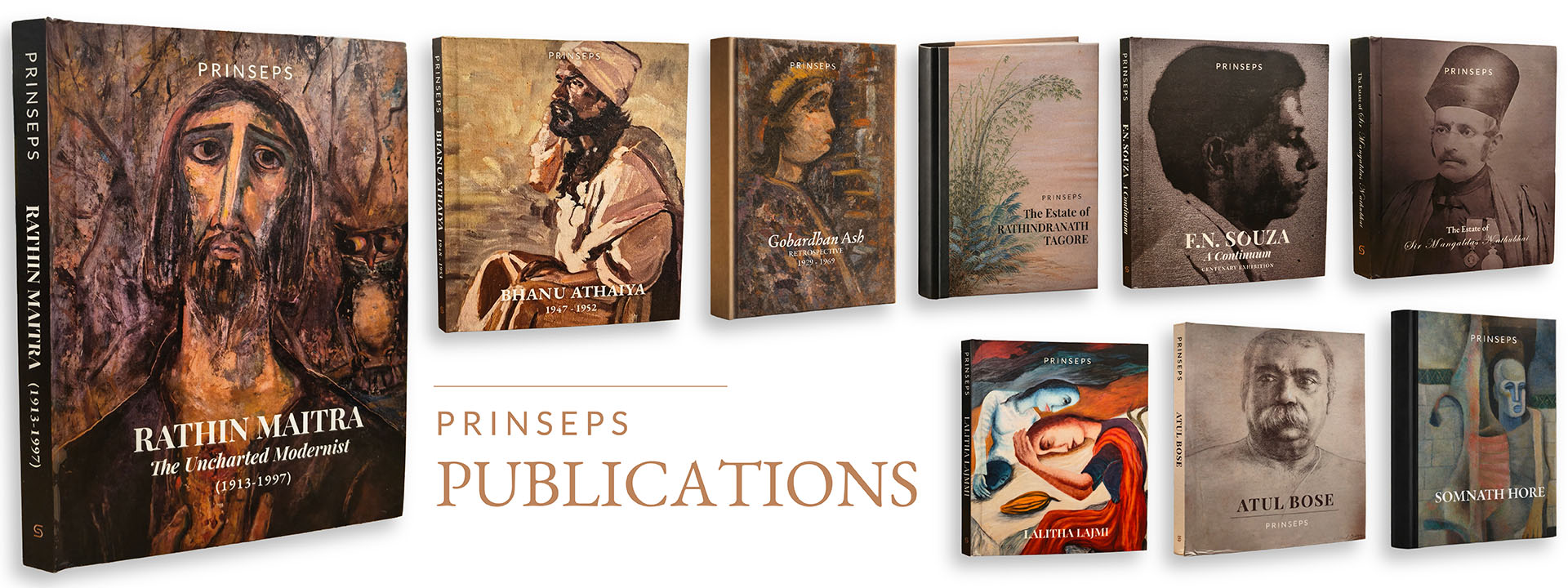
A set of 9 publications by Prinseps chronicle Indian art history, featuring the artistic journeys of masters like Atul Bose, Bhanu Athaiya, F.N. Souza and more. They explore modernism, social realism, and legacies of greats from the Indian art landscape from painting to cinema and fashion, and beyond.
Atul Bose
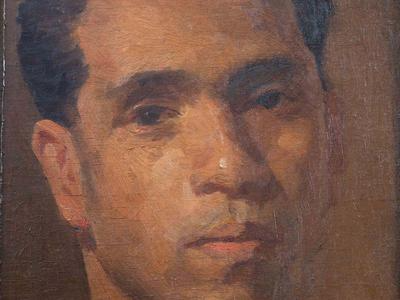
Atul Bose: A Retrospective documents the career of Indian master painter Atul Bose (1898–1977), a pioneer of Academic Realism who sought to establish an authentic artistic language through direct observation and naturalism. Trained at the Royal Academy of Arts in London, Bose became a superlative portraitist, capturing iconic figures such as Rabindranath Tagore and Netaji Subhas Chandra Bose in works that now reside in India’s Parliament House and Raj Bhavan. Beyond his mastery of oil and portraiture, the book highlights his stark drawings of the 1943 Bengal Famine, his influential role as Principal of the Government School of Art, and his lifelong commitment to institutionalizing art education in India.
Lalitha Lajmi
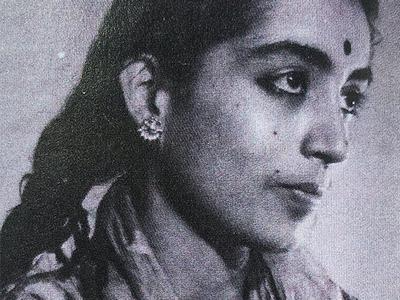
This publication by Prinseps chronicles the life and five-decade career of Lalitha Lajmi (1932–2023), a veteran Indian printmaker and painter. The book details her artistic evolution from early influences in Calcutta—shaped by cinema, theatre, and her brother Guru Dutt—to her formal training and mastery of printmaking in Bombay. Key thematic explorations include her transition from abstract drawings to a recurring motif of masks and performances, deeply influenced by her engagement with psychoanalysis and the theatrical work of her daughter, Kalpana Lajmi. The narrative highlights her disciplined "nocturnal practice," her role as one of the first women in Bombay to establish an independent printmaking press, and her late-career shift into structural oils and subconscious-driven watercolours.
F.N. Souza
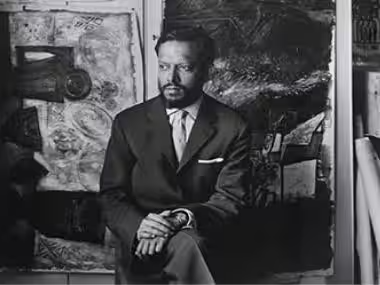
F.N. Souza: A Continuum is a centenary exhibition catalogue that explores the radical life and legacy of Francis Newton Souza, a founding member of the Progressive Artists' Group. The book delves into previously overlooked influences on his work, such as the direct impact of African mask sculpture and the existential themes of Franz Kafka, which informed his "grotesque" and "insect-like" figurations. It highlights his significant partnership with Liselotte Souza, which coincided with his most successful artistic period, and addresses the enduring role of Catholic iconography and Indian temple traditions (such as the Mithuna couple) in his practice. Beyond his public persona as an enfant terrible, the catalogue presents an intimate look at Souza as a doting father through archival letters and personal anecdotes from his daughter, Keren. Finally, it traces his "living legacy" through the contemporary practices of his descendants, including Keren SouzaKohn, Solomon Souza, and Ruben Souza.
Bhanu Athaiya

Bhanu Athaiya: A Legacy explores the foundational years and multifaceted career of India's first Oscar-winning costume designer. The book highlights her upbringing in the culturally vibrant princely state of Kolhapur, where she was mentored by local icons and her artist father, Annasaheb Rajopadhye. It provides a critical re-examination of Indian modernism by documenting her early achievements as a painter at the Sir J.J. School of Art, where she was the only woman invited to join the prestigious Progressive Artists' Group (PAG). The narrative details her transition from academic realism and miniature-style painting to becoming a pioneering fashion illustrator for Eve's Weekly and eventually a legendary costume designer for over 290 films, including the masterwork Gandhi. Through essays and archival imagery, the volume asserts that her work in cinema was a high form of creative expression that carried her artistic sensibilities into a new visual language for modern India.
Gobardhan Ash
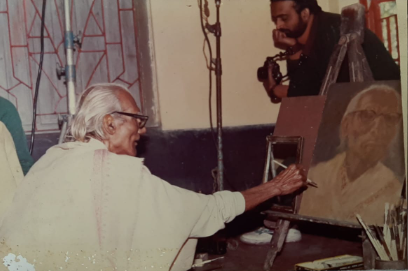
Titled Gobardhan Ash: Retrospective (1929-1969), chronicles four decades of the artistic career of Gobardhan Ash, a pioneering Indian modernist. It details his significant role in the Art Rebel Centre, his involvement with the Calcutta Group, and his contributions to Indian Modernism. The volume showcases over 100 artworks, including his naturalistic landscapes, self-portraits, the poignant Children Series, and the avant-garde Avatar Series, which influenced the progressive art scene of the late 1940s. Beyond his creative output, the book explores Ash’s commitment to social realism—most notably through his haunting depictions of the 1943 Bengal Famine—and his dedication to art education, including his founding of the Fine Art Mission free Art School. Synthesizing biographical essays, archival research, and critical commentary, the publication celebrates Ash as an individualistic artist who fearlessly explored diverse styles while remaining deeply rooted in the socio-political realities of his time.
Sir Mangaldas Nathubhai
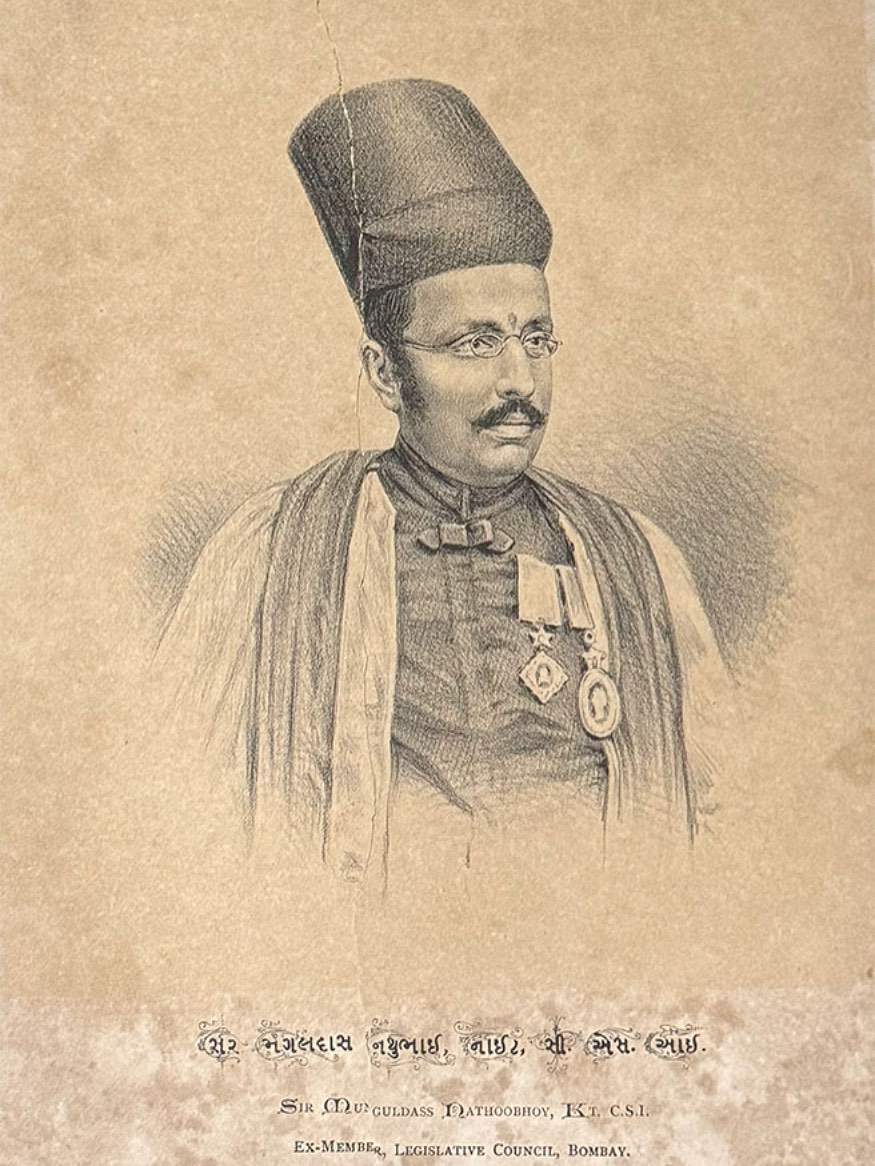
This book, a catalogue presented by Prinseps, documents the estate and legacy of Sir Mangaldas Nathubhai (1832–1890), a prominent nineteenth-century Bombay reformer, philanthropist, and merchant. It details his significant contributions to education, healthcare, and civic reform, including his support for the reformist press and women's education. The volume also provides a comprehensive overview of his private world as a "Renaissance man" and deliberate collector, showcasing a diverse collection of Chinese and Japanese porcelain, fine French and British timepieces, Art Deco furniture, and rare library volumes. Through personal family recollections and photographs, the book highlights how these objects—ranging from a heritage silver service to a unique cricket autograph book—were lived-in companions that connected generations of the Mangaldas family to Bombay’s evolving social and cultural fabric.
Rathin Maitra
.png)
This book, published by Prinseps, provides a comprehensive look at the legacy of Rathin Maitra (1913–1997), a pivotal architect of Indian modernism. It explores his multifaceted career as a painter, teacher, and organizer, highlighting his role as a principal founder and secretary of the Calcutta Group, India’s first modernist art collective. The text details how Maitra rejected both traditional revivalism and academic realism to forge a unique visual language influenced by Neo-Impressionism, Cubism, and Bengal’s folk traditions, often responding to social traumas like the 1943 Bengal Famine and the Partition. Beyond his studio practice, the book documents his influential tenure as the Honorary Joint Secretary of the Academy of Fine Arts, Calcutta, and his efforts to bridge Indian art with the global stage through murals and exhibitions in the United States. Through biographical essays, archival letters, and a visual timeline, the publication seeks to reassert Maitra’s status as a key figure who shaped the institutional and aesthetic foundations of modern Indian art.
Rathindranath Tagore
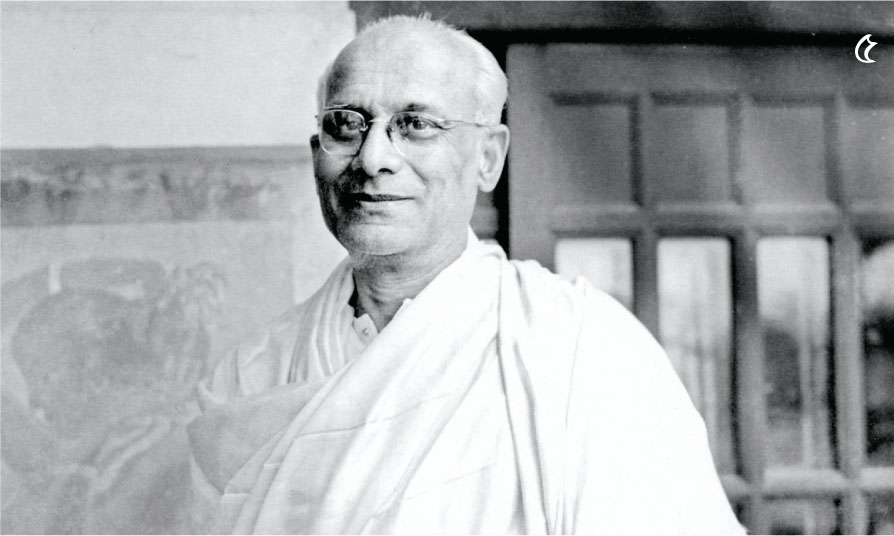
This volume, published by Prinseps, provides a comprehensive look at the multifaceted life and artistic legacy of Rathindranath Tagore, the eldest son of Rabindranath Tagore. Spanning his education in agricultural science at the University of Illinois to his instrumental role in developing Santiniketan and Sriniketan, the book highlights his contributions as the first Vice-Chancellor of Visva-Bharati University. Beyond his administrative duties, the text explores his diverse creative practices in painting, woodwork, and leathercraft, detailing how he pioneered "Santiniketan leather goods" and established specialized workshops like Guha Ghar. The narrative is enriched by personal memoirs from his foster son, Jayabrato Chatterjee, which offer an intimate glimpse into Rathindranath’s later years in Dehradun, characterized by a refined aesthetic sense and deep-seated love for horticulture, literature, and the hand-blending of floral perfumes.
Coming soon on Kindle and your nearest bookstores.

