Lot#28 ||
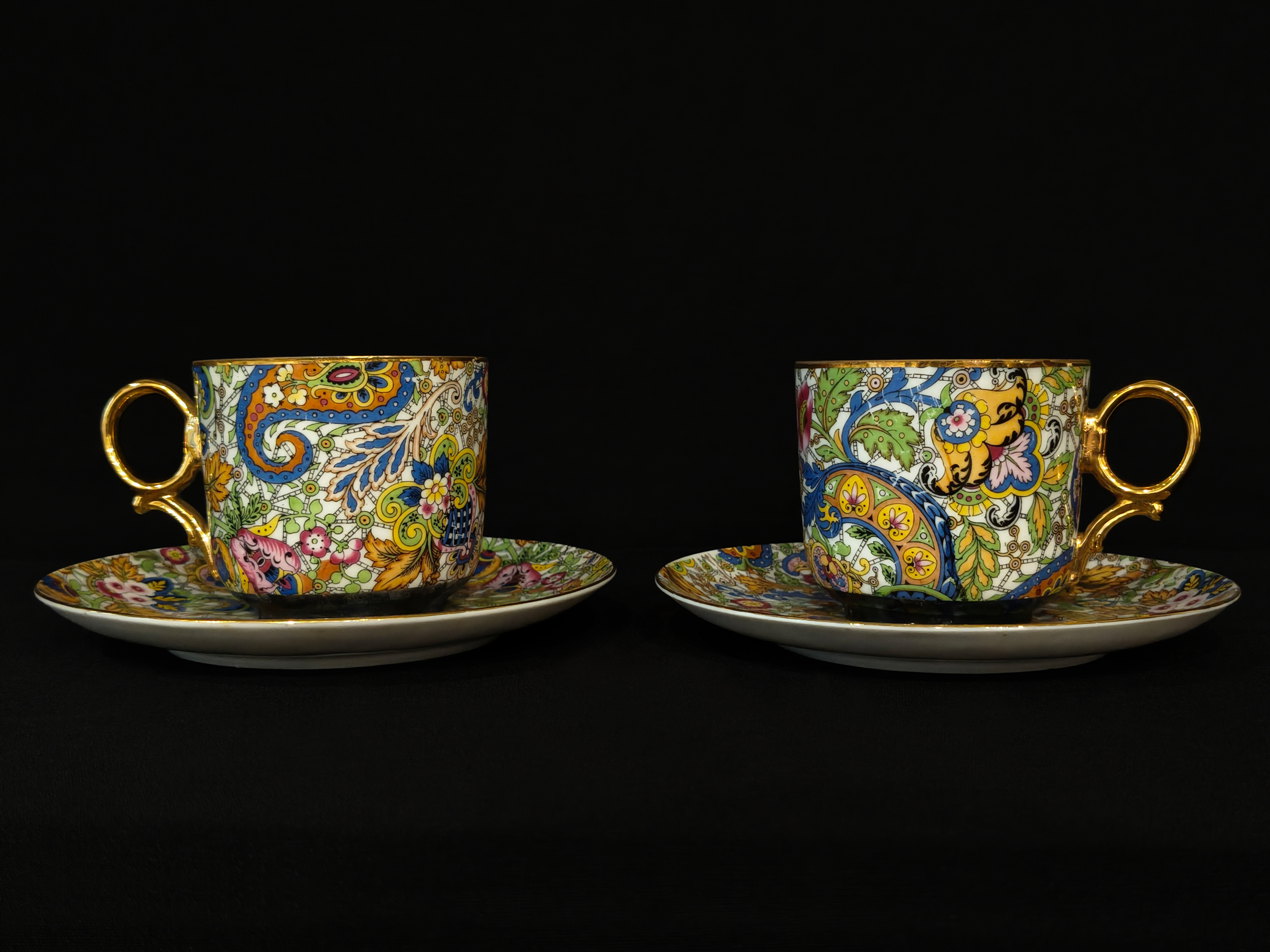
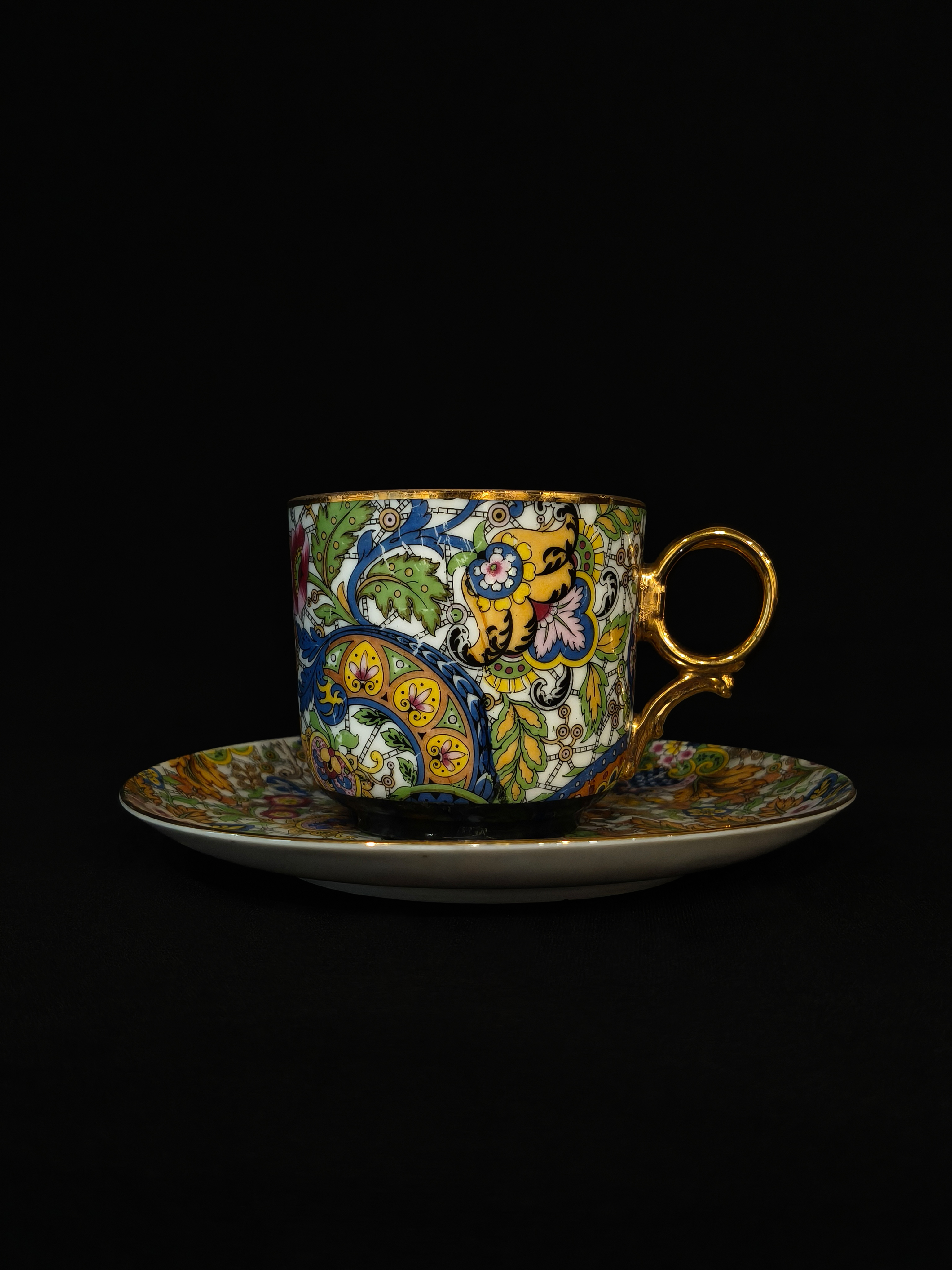
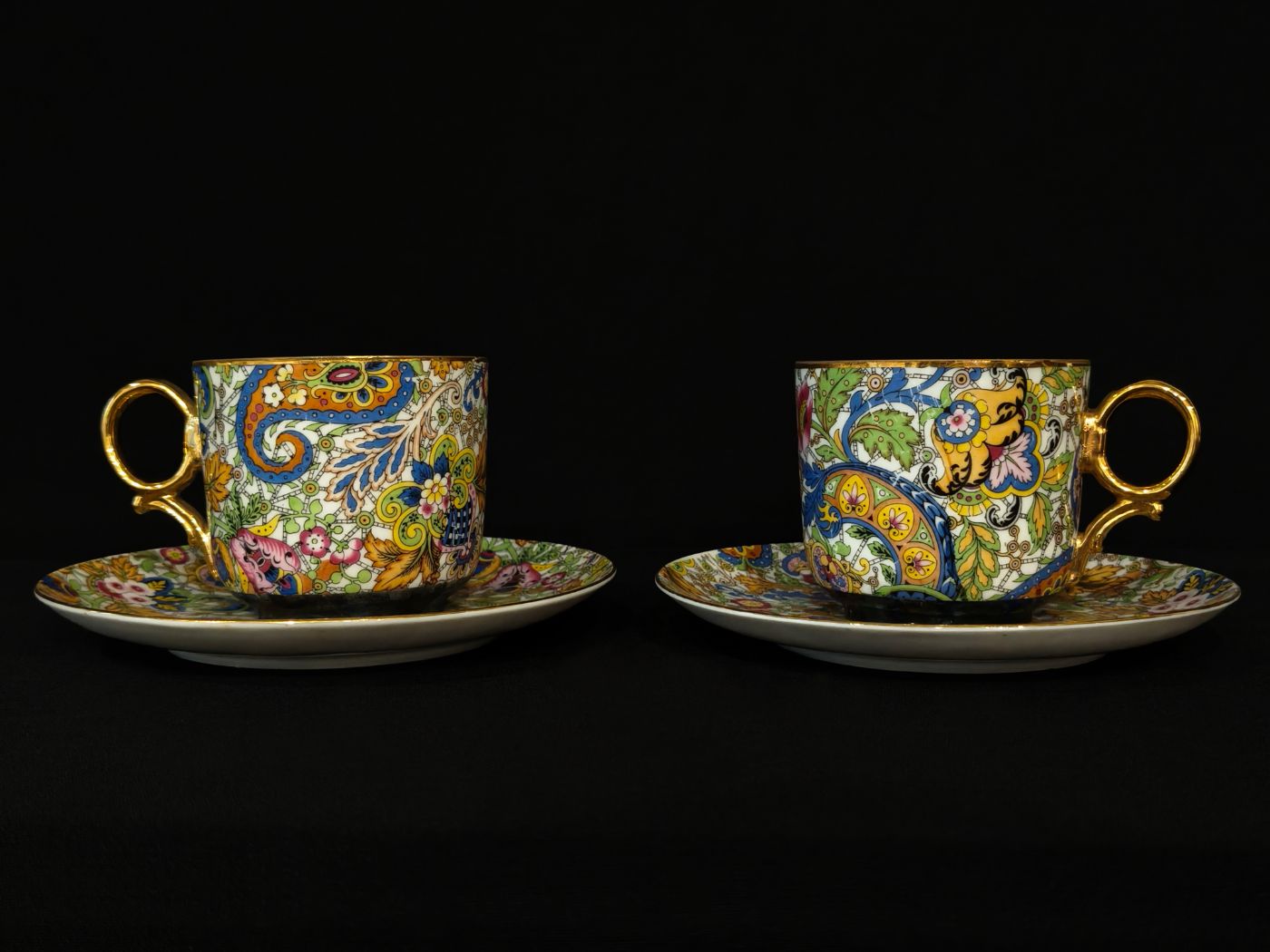
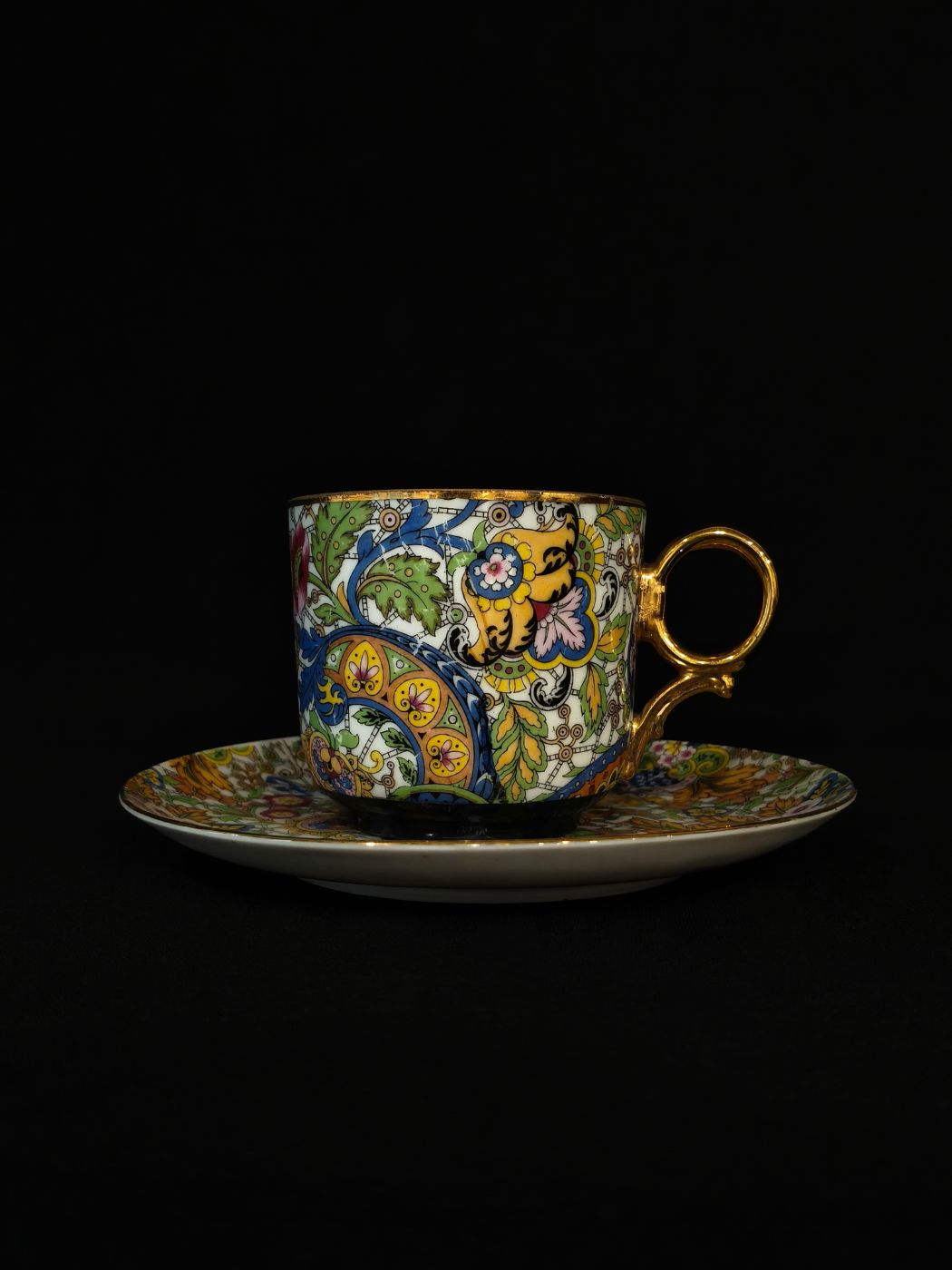
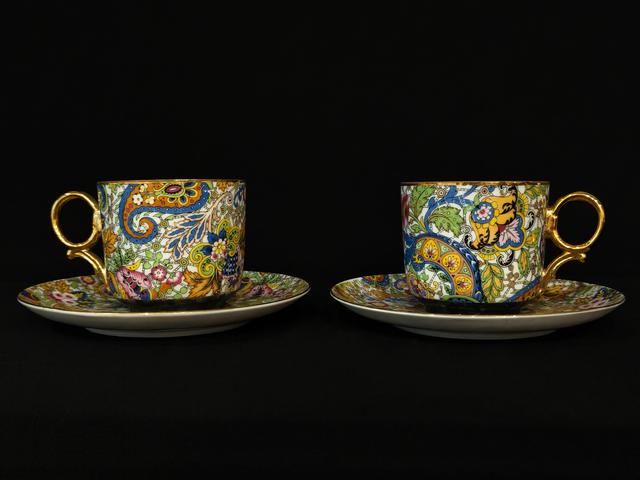
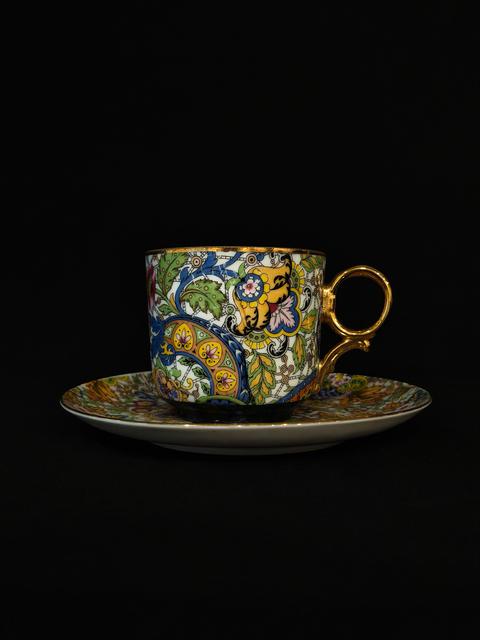
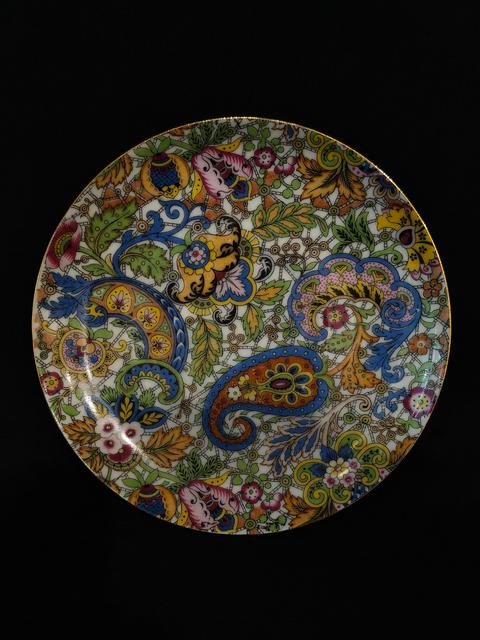
Czechoslovakian Paisley Chintz Porcelain Teacup and Saucer Set
Estimate ₹ 20,000 - ₹ 40,000
Chintz, from the Hindi word chint meaning “spotted” or “variegated,” originally referred to printed and painted cotton textiles produced in India from the 16th century onward. These vibrant fabrics, often covered edge-to-edge with flowers, vines, or boteh (paisley) motifs, were eagerly imported into Europe by the East India Companies. By the 18th and 19th centuries, chintz had become a dominant fashion in both dress and interior decoration.
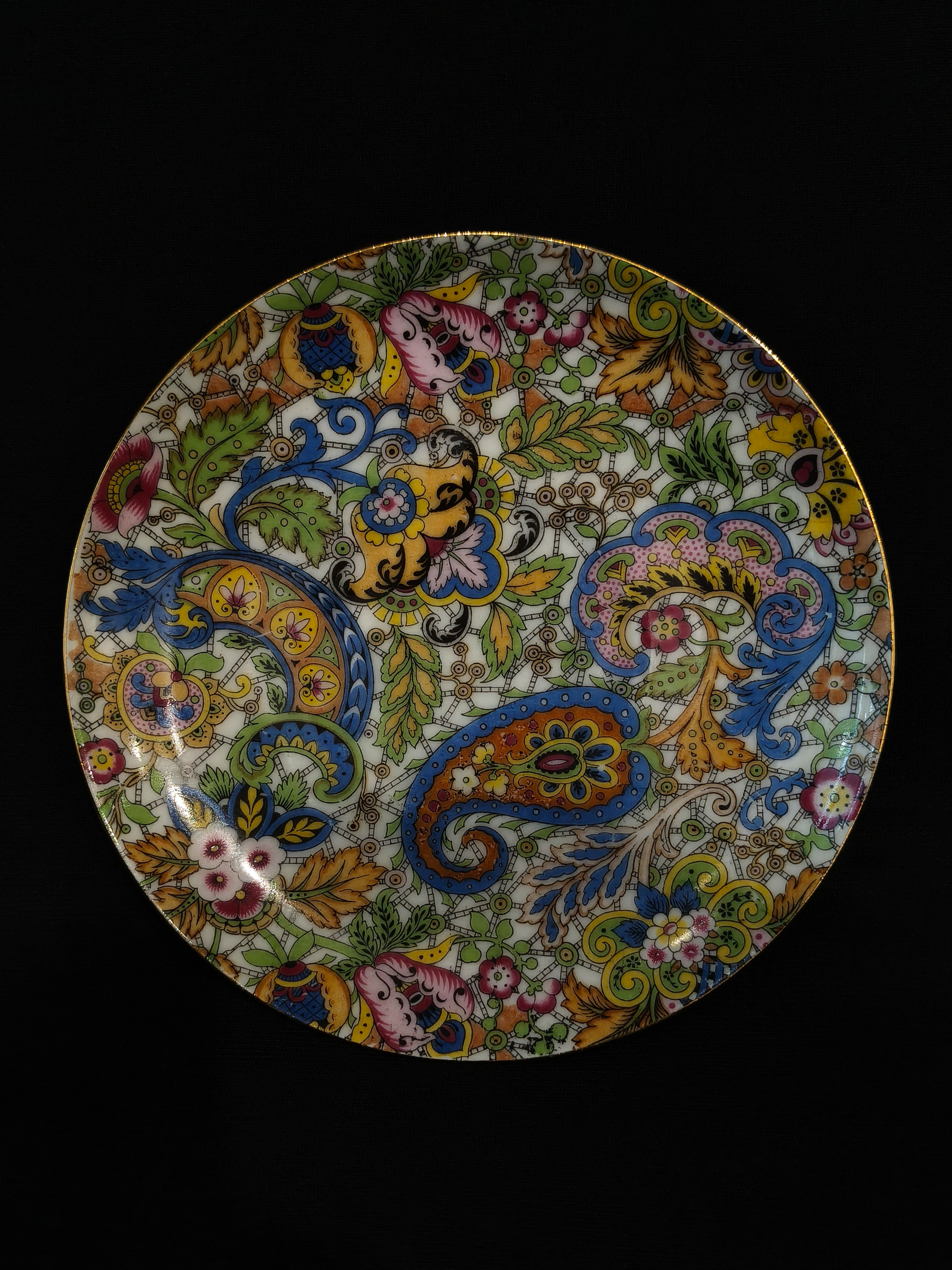
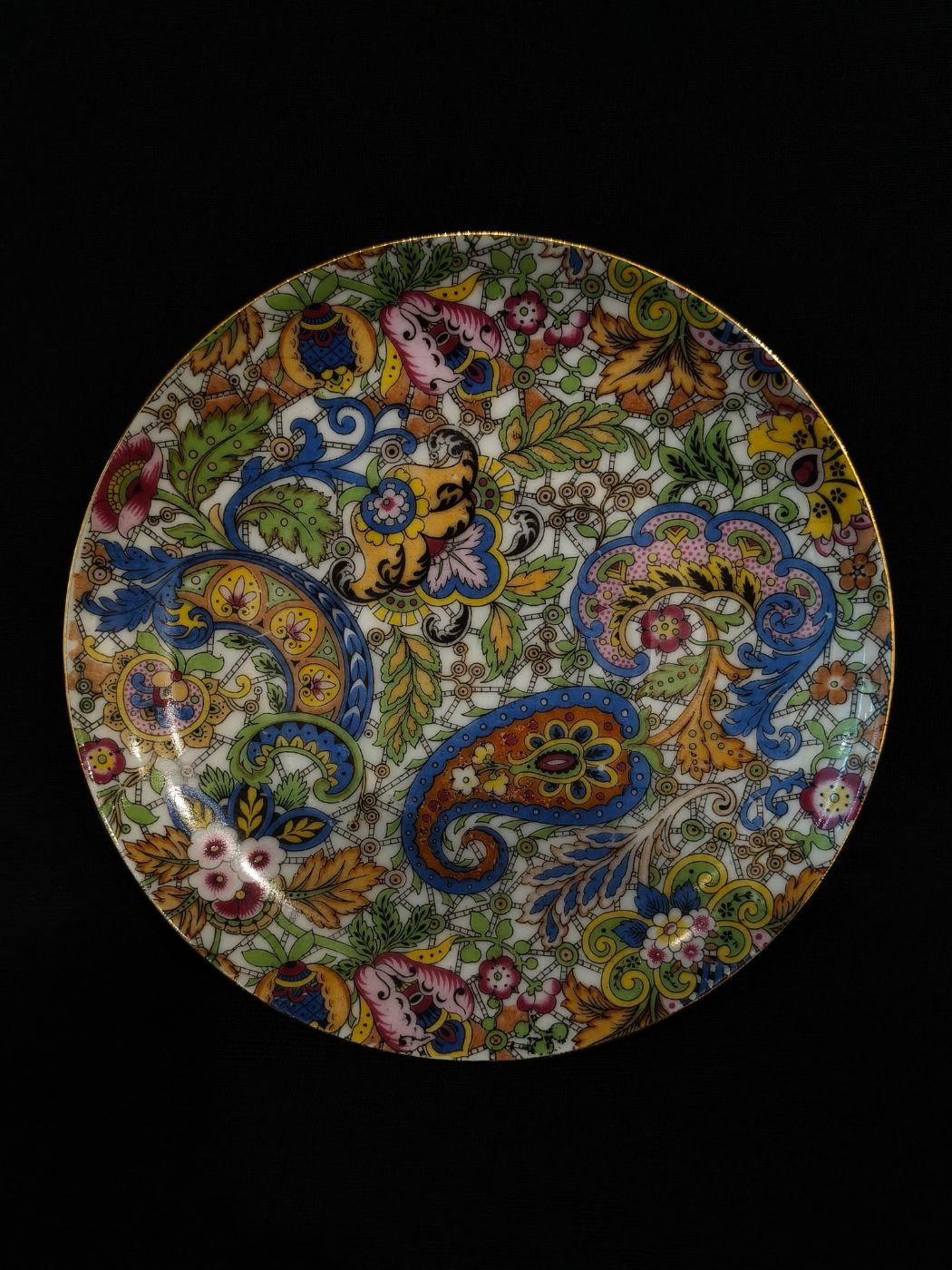
Porcelain makers soon imitated this textile effect. The present cup and saucer are decorated in an all-over paisley chintz style, where curling boteh motifs and blossoms entirely cover the surface, leaving almost no ground visible. This dense patterning mirrored the textiles that had once symbolized luxury and global trade.
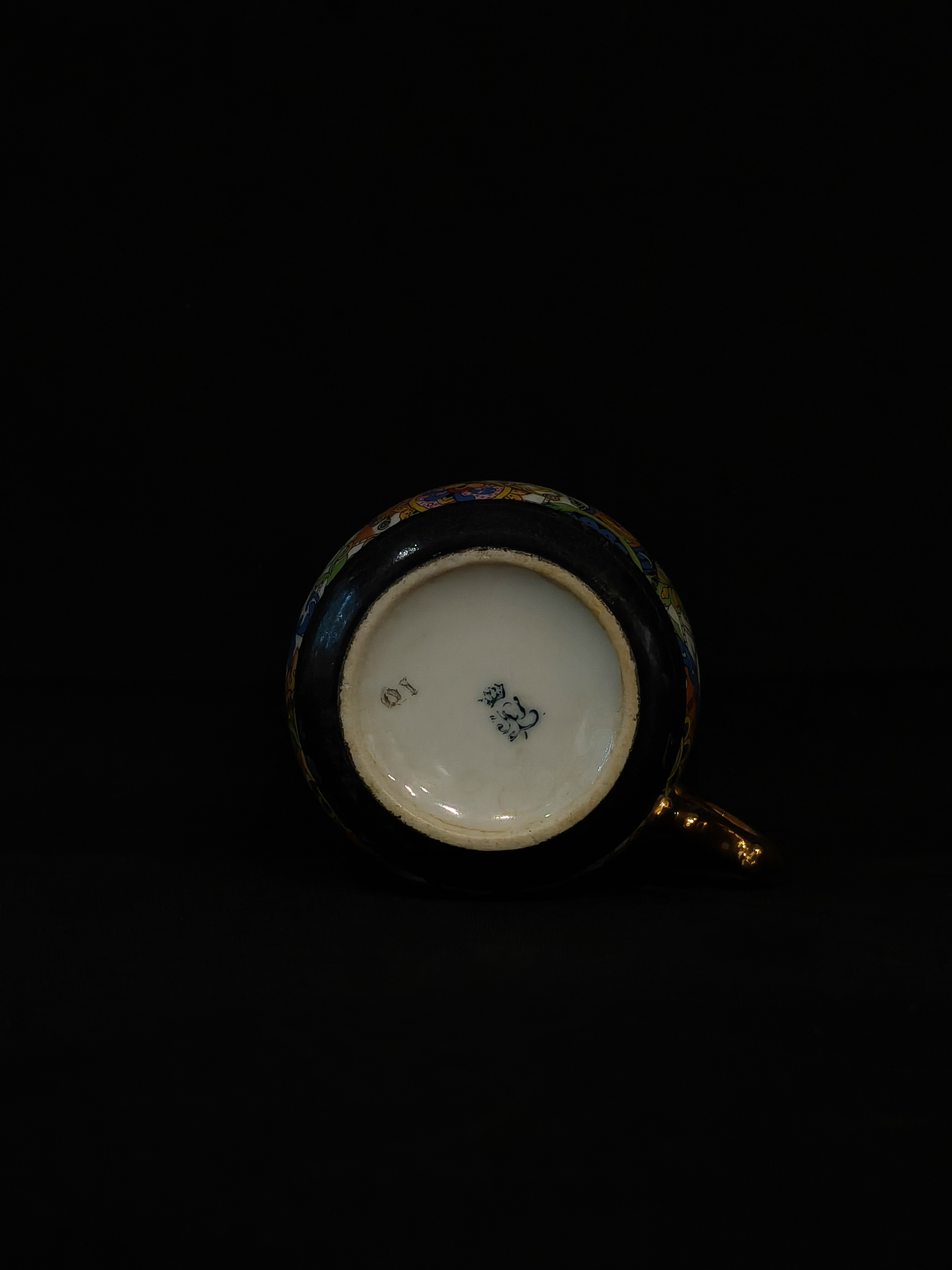
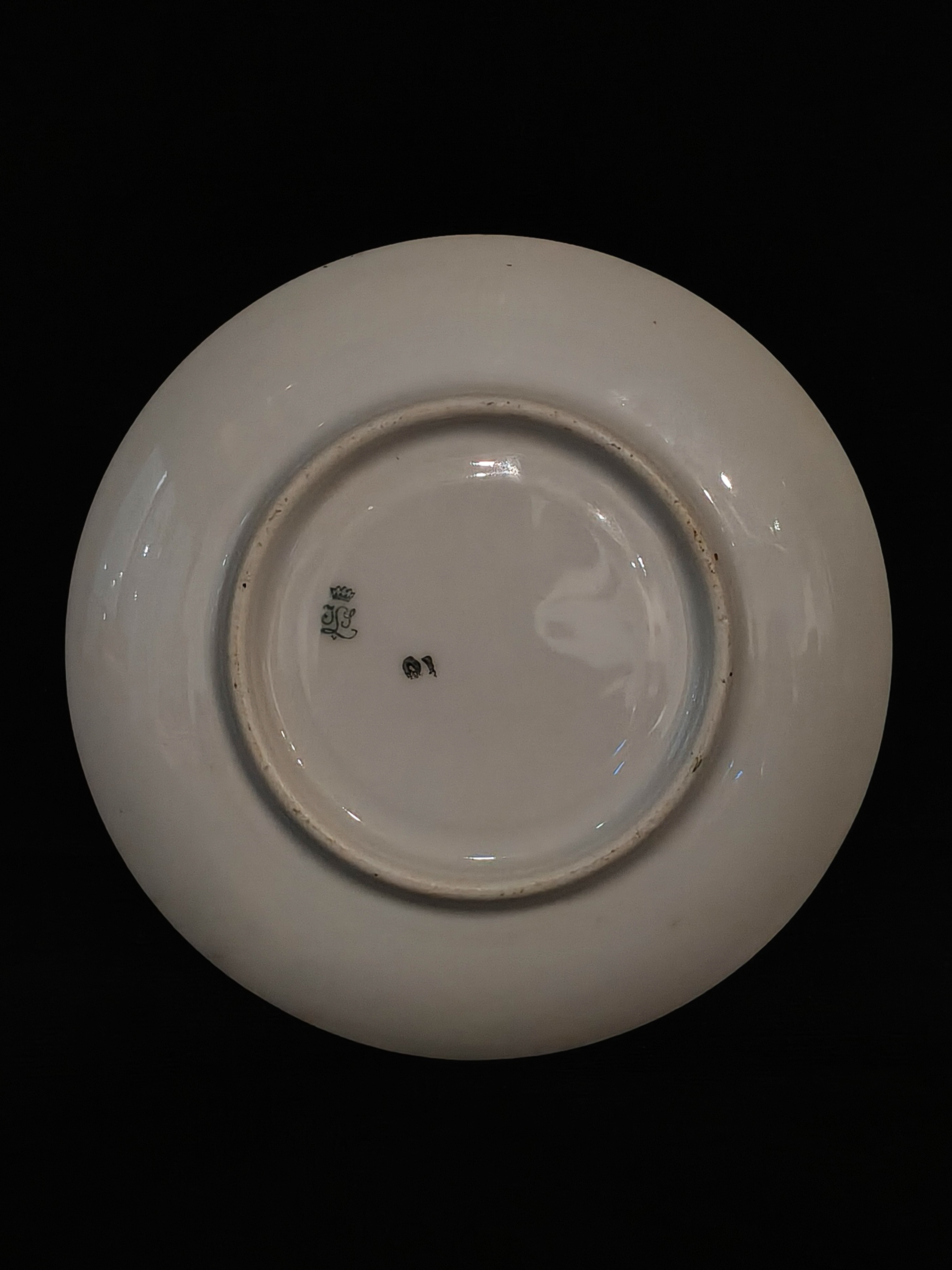
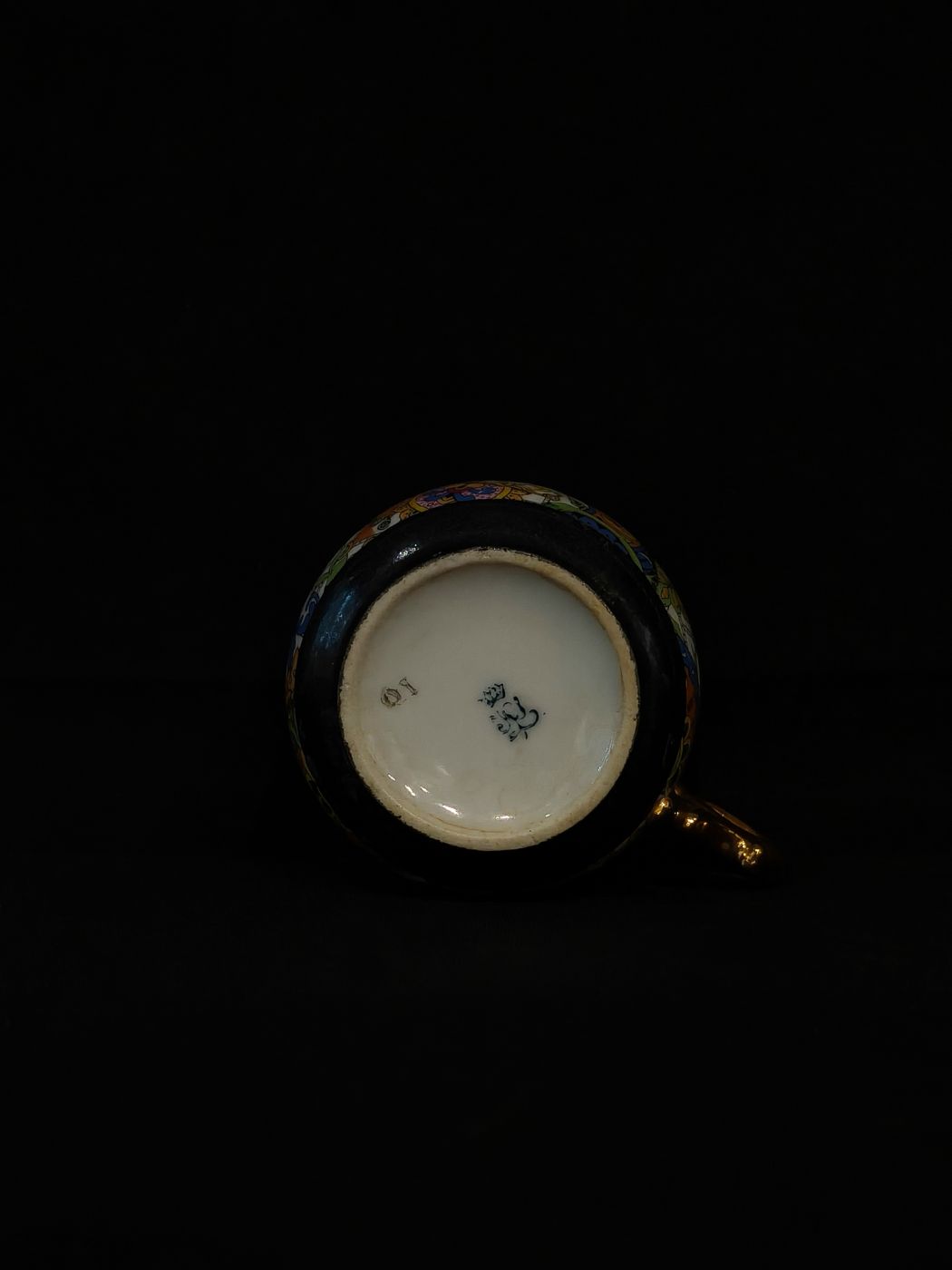
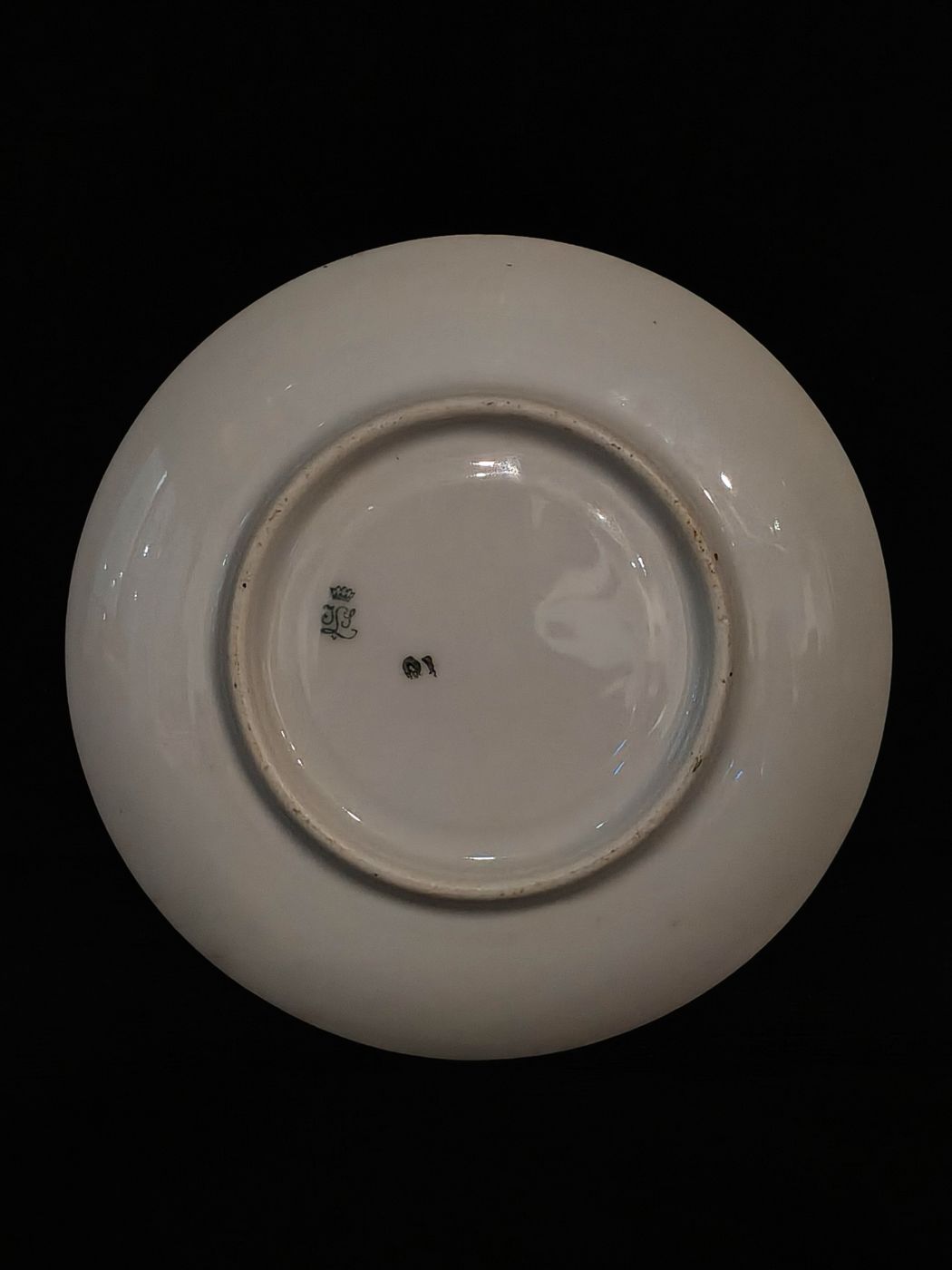
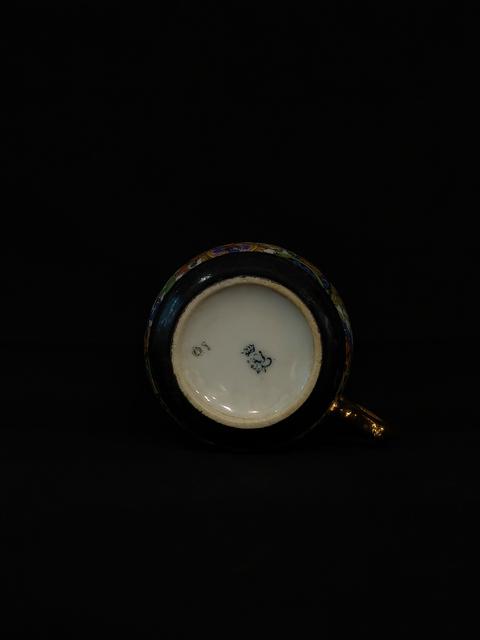
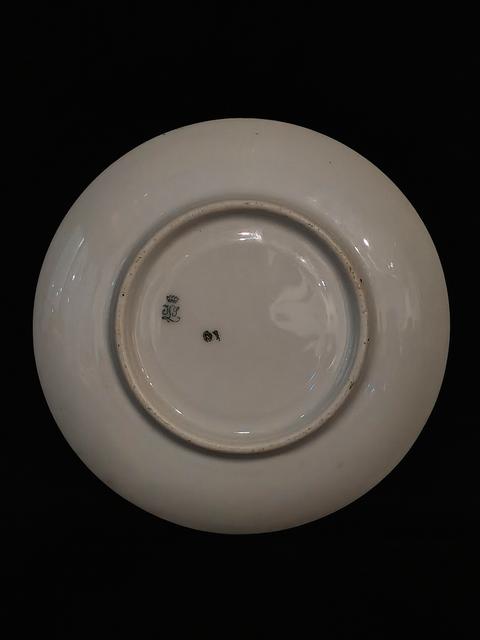
Produced in Czechoslovakia in the early 20th century, and marked with JLS for Josef Lenhart Schneider, the set reflects how Central European workshops adapted long-circulating Eastern designs into modern decorative wares for European homes.
Non-exportable
Provenance: The Estate of Mangaldas Nathubhai

