


Lot#8 ||
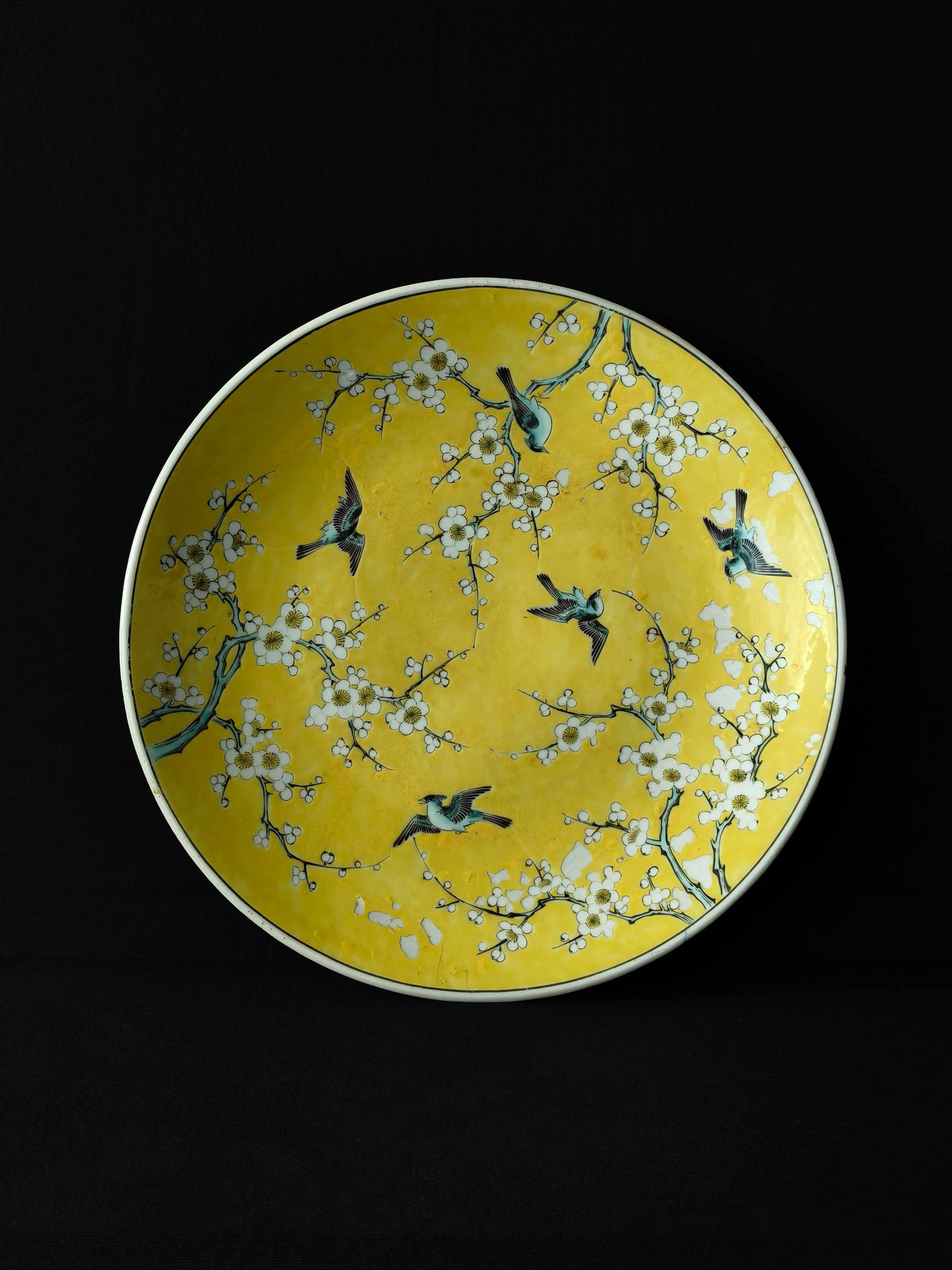
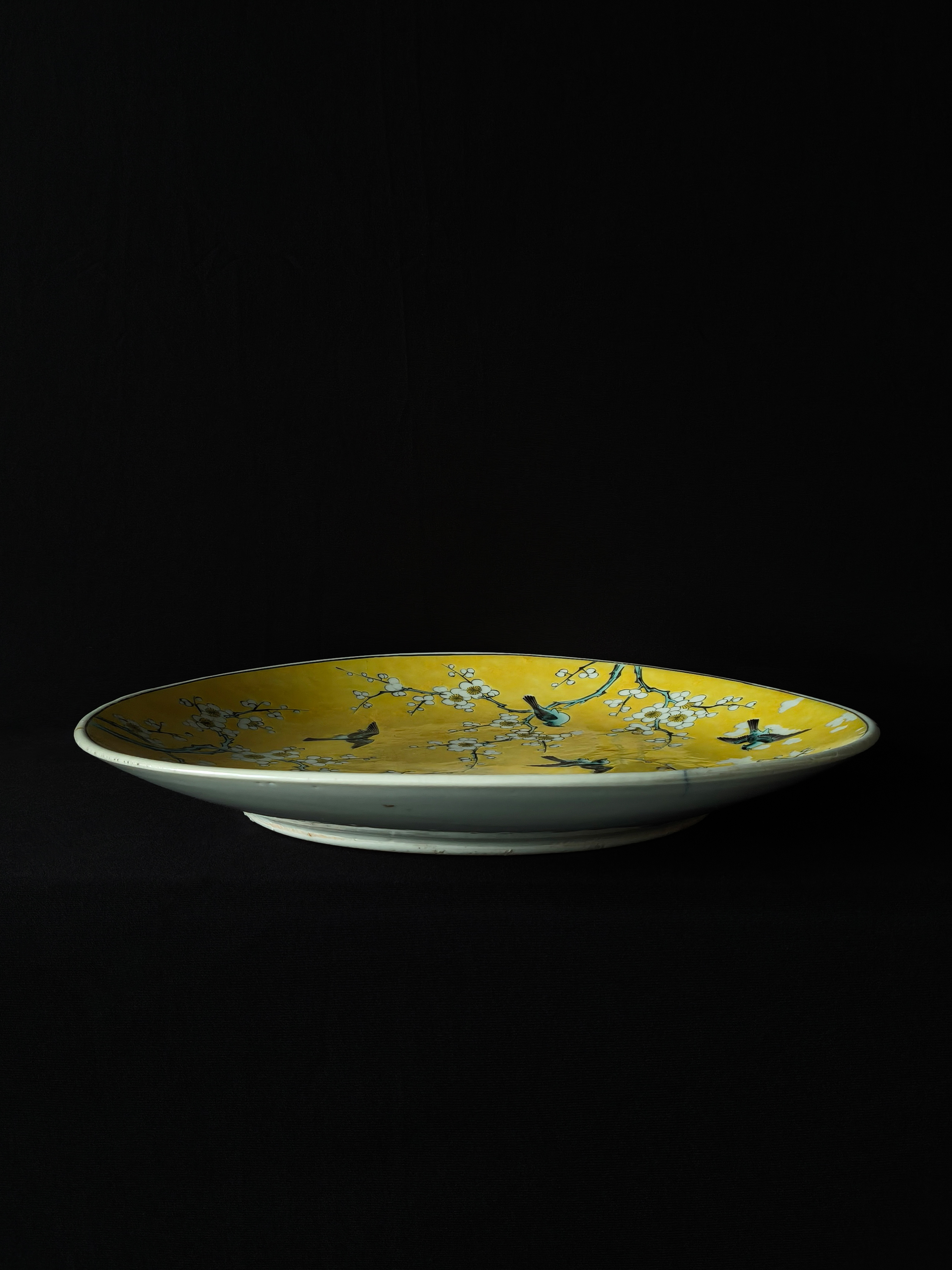
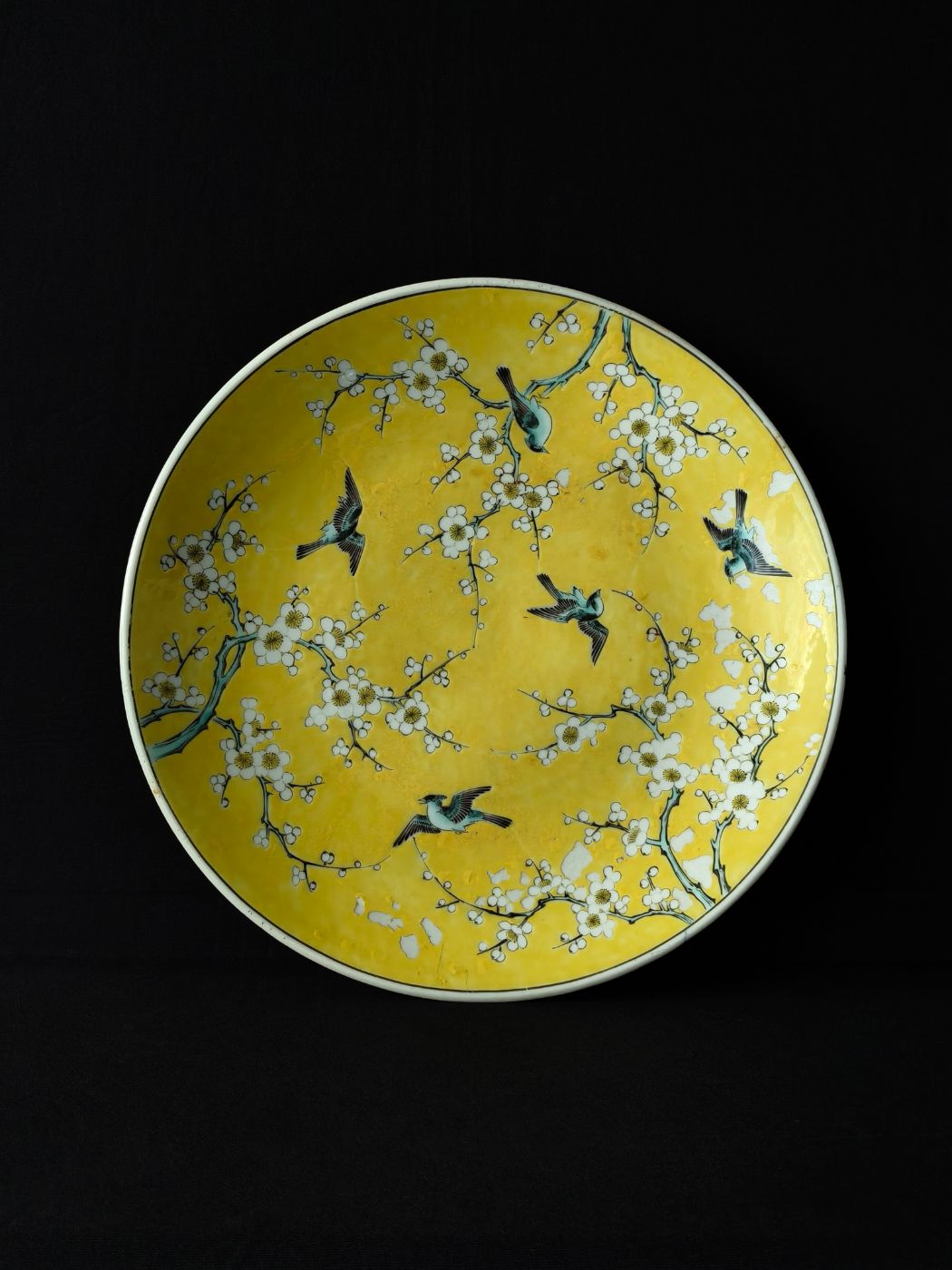
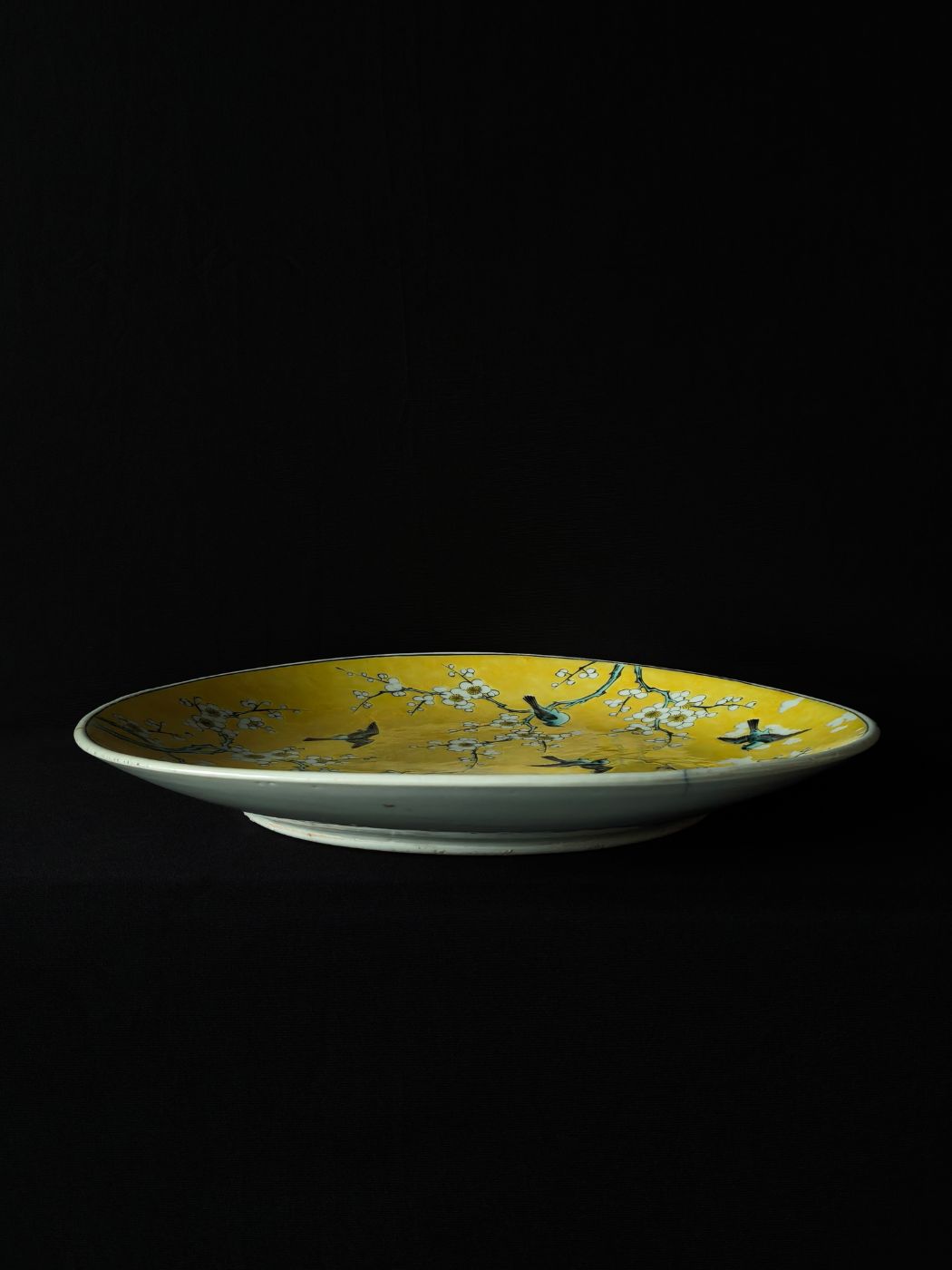
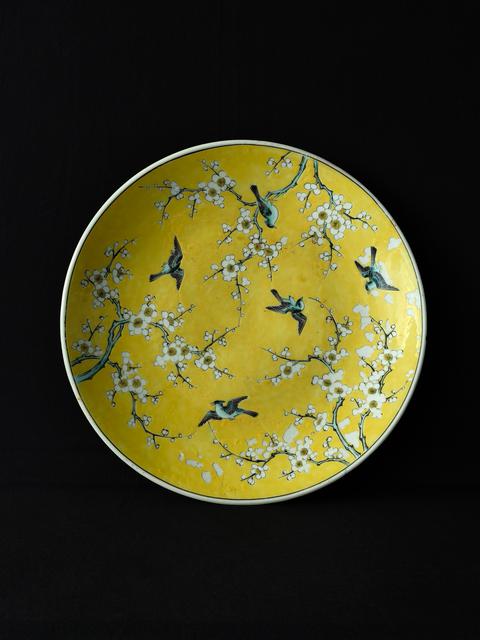
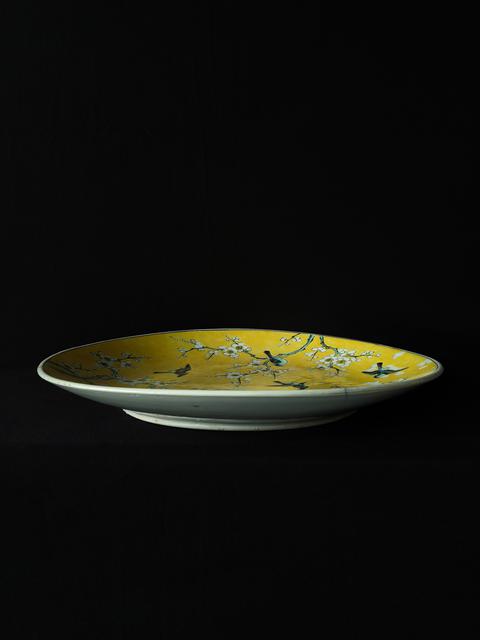
Famille Rose Style Meiji Period Arita Ware Japanese Porcelain Plate
Estimate ₹ 50,000 - ₹ 75,000
16 In. Diam.
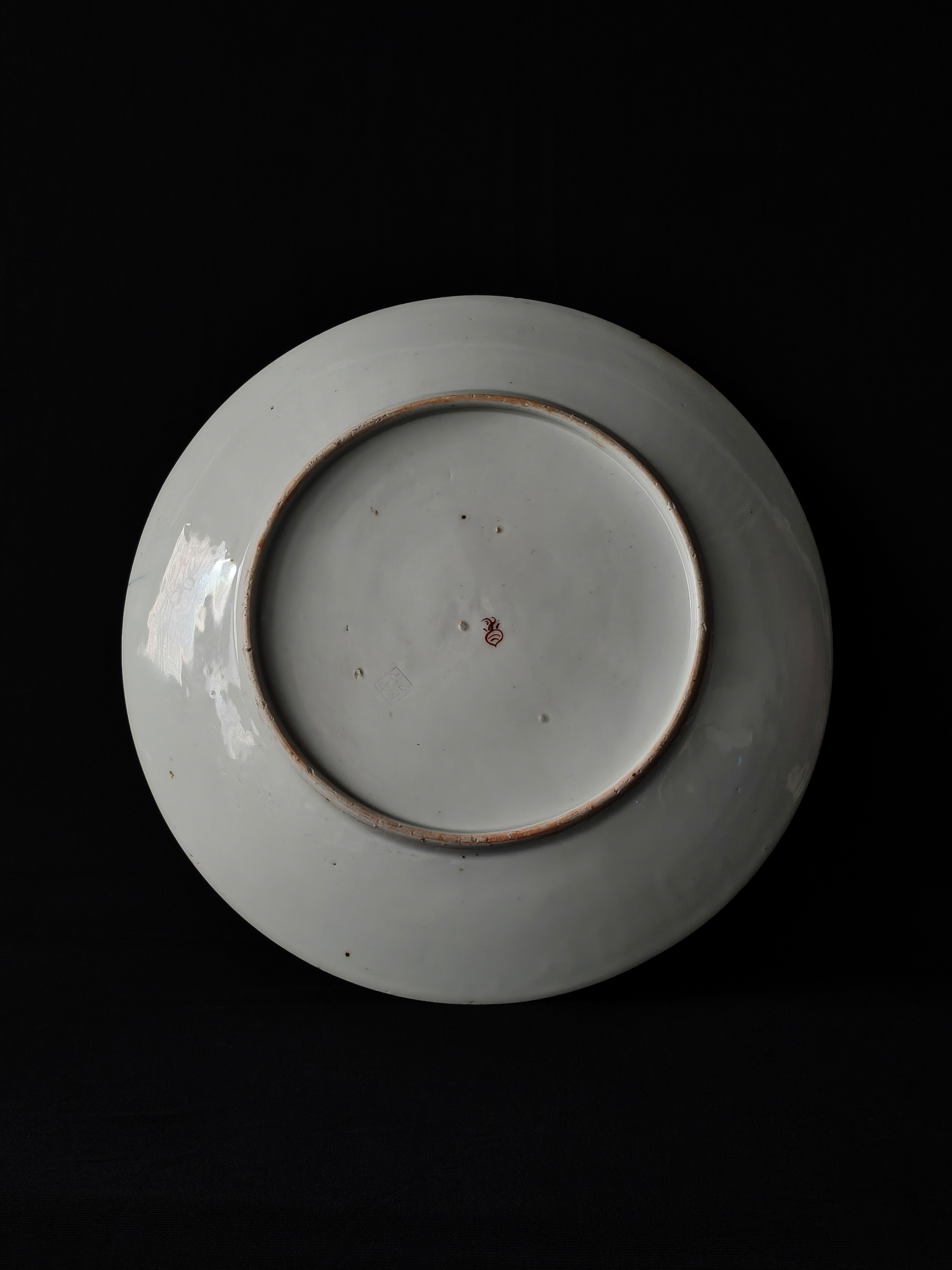
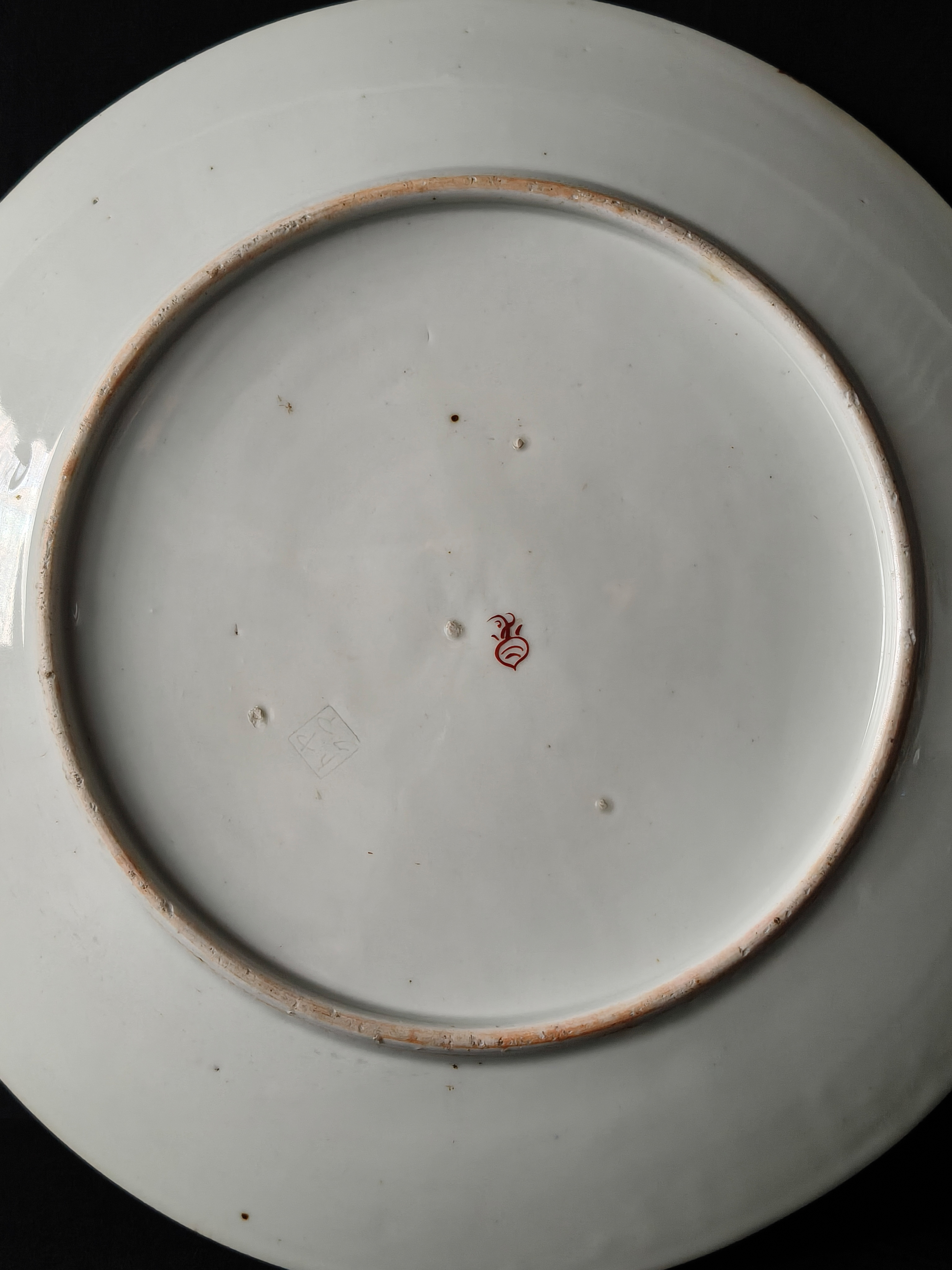
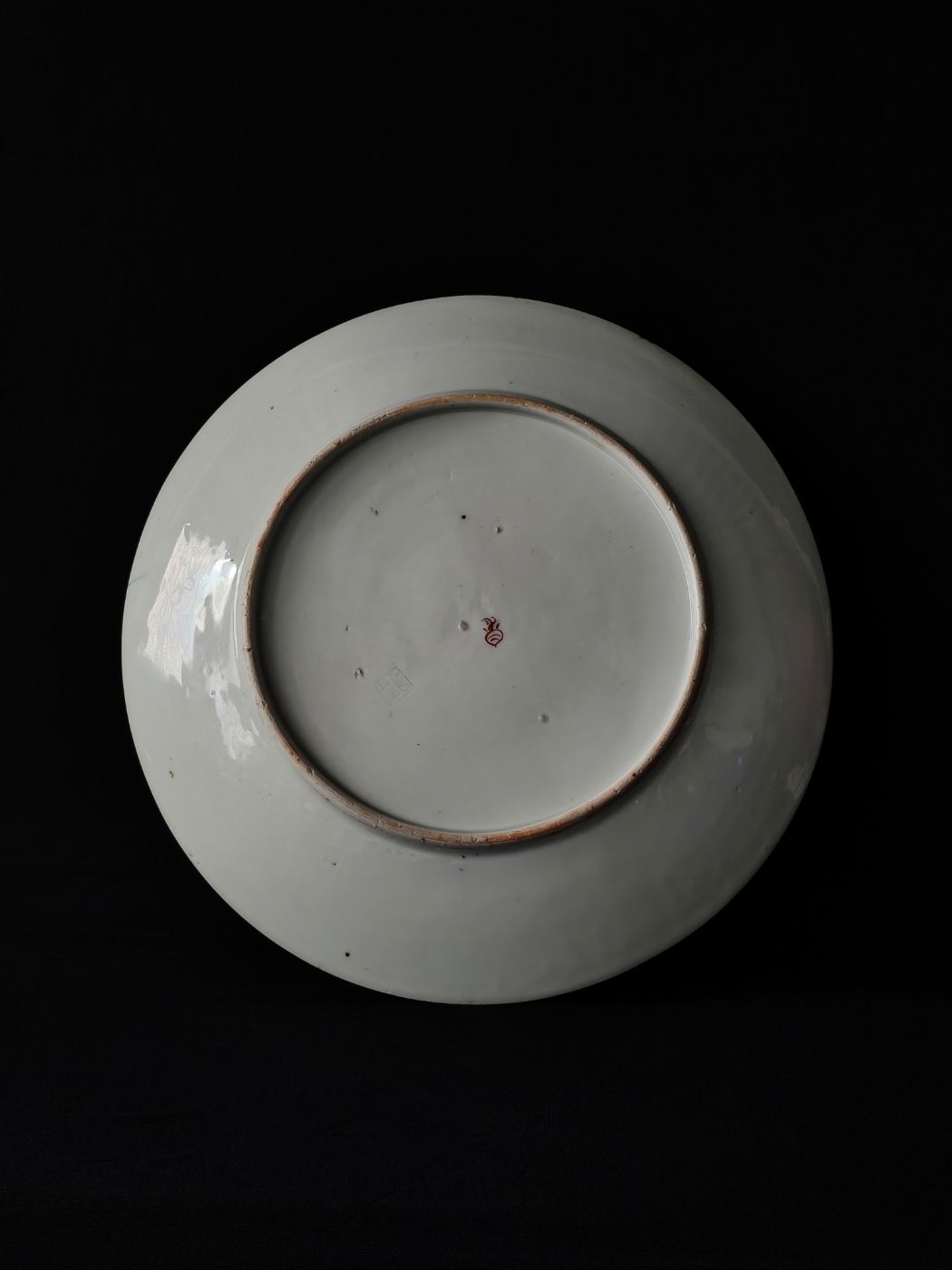
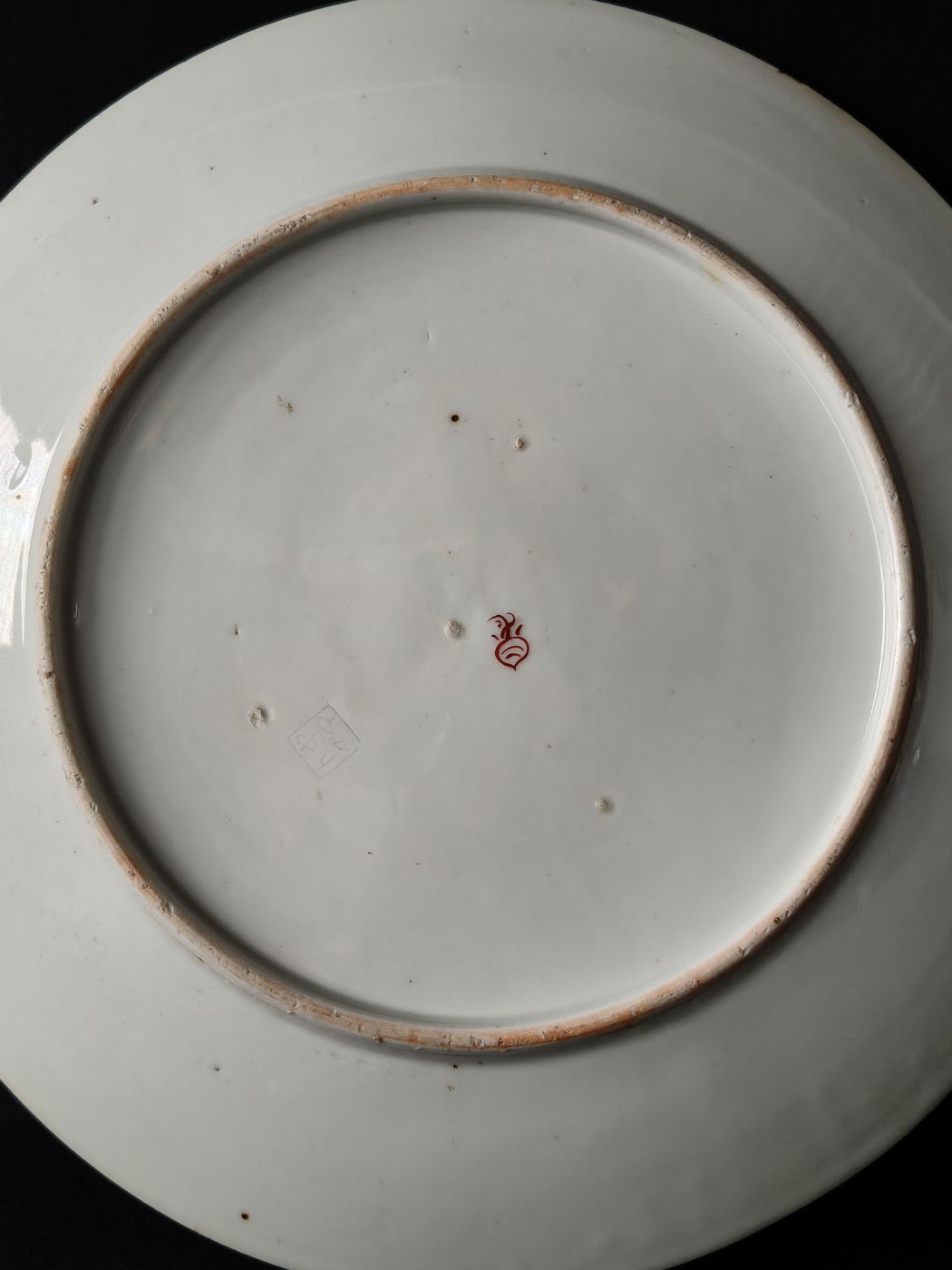
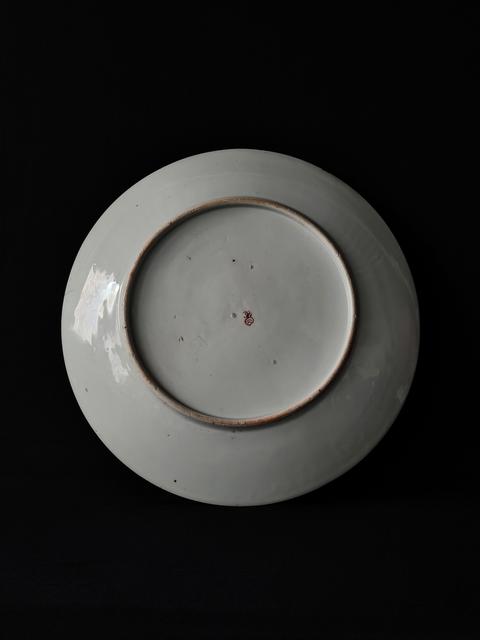
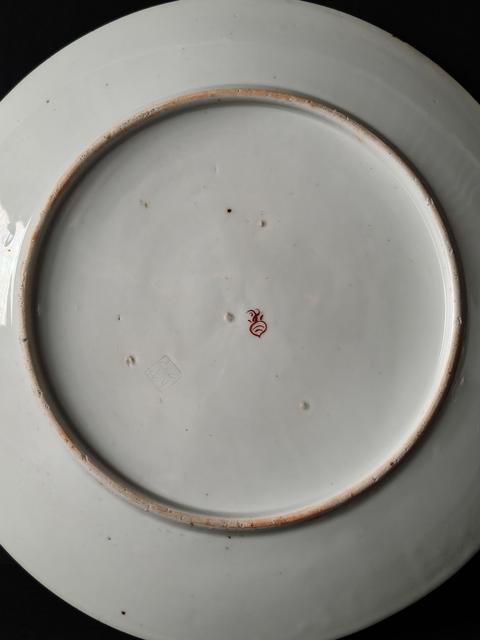
Porcelain, enamelled in the famille rose style. The plate is painted with flowering plum branches set against a brilliant yellow ground, where magpies perch among the blossoms. On the reverse, the rim is dressed with iron oxide and impressed with a square seal, associated with the Yamatoku kiln at Arita, the birthplace of Japanese porcelain. In East Asian tradition, magpies herald happiness and good news, while the plum blossom, blooming even in the cold of winter, is a symbol of renewal and endurance; together they express wishes for joy, resilience, and auspicious beginnings. The yellow ground, long associated with imperial prestige and prosperity in Chinese taste, adds further resonance, signalling refinement and auspiciousness. By the Meiji era (1868–1912), Arita kilns such as Yamatoku had adapted the Chinese famille rose palette into a distinctly Japanese style, marked by delicate line and balanced composition. This plate reflects that synthesis, combining cultural symbolism with decorative brilliance that made such wares admired both in Japan and abroad.
Non-exportable
Provenance: The Estate of Mangaldas Nathubhai

