Lot#37 ||
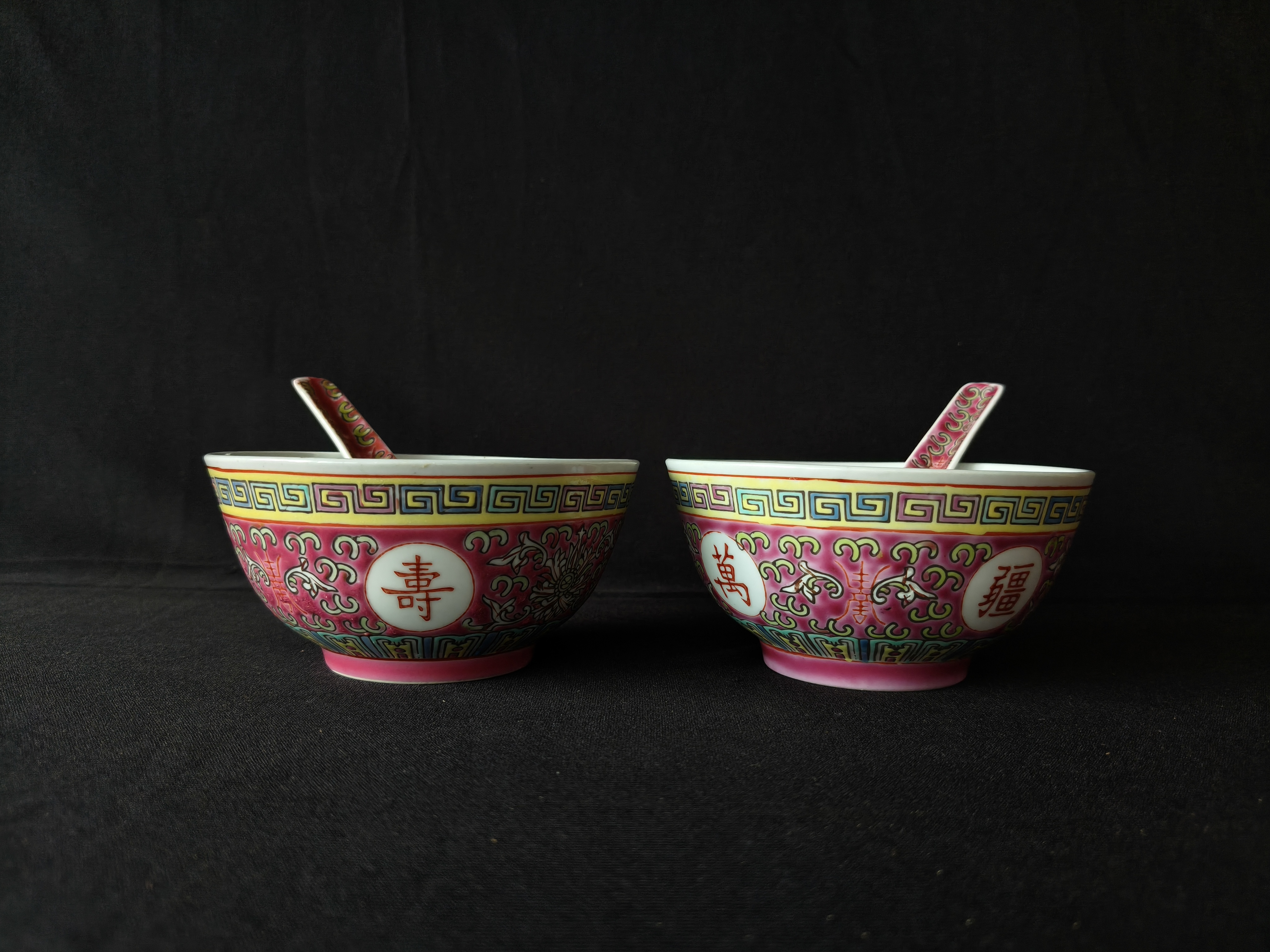
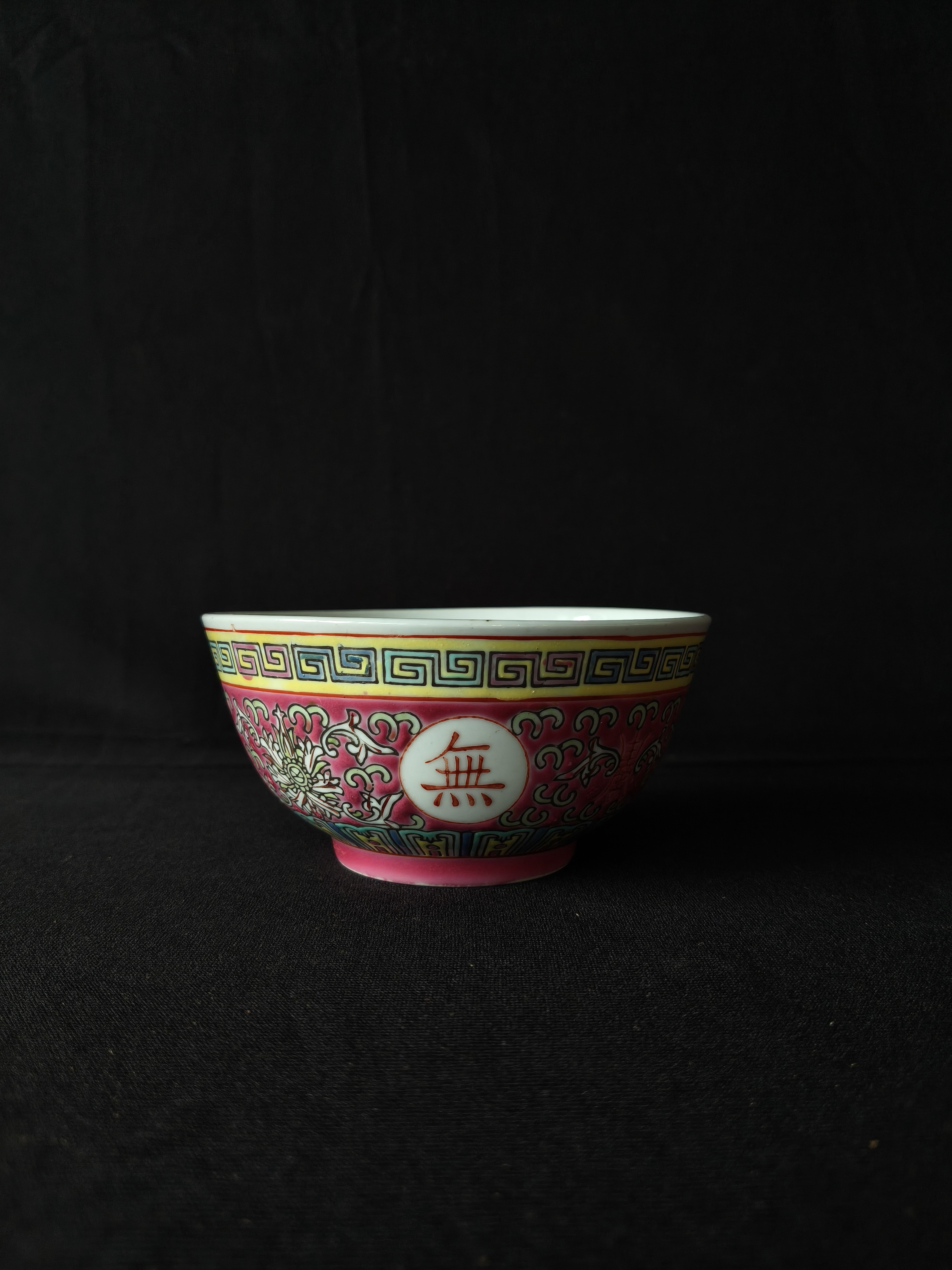
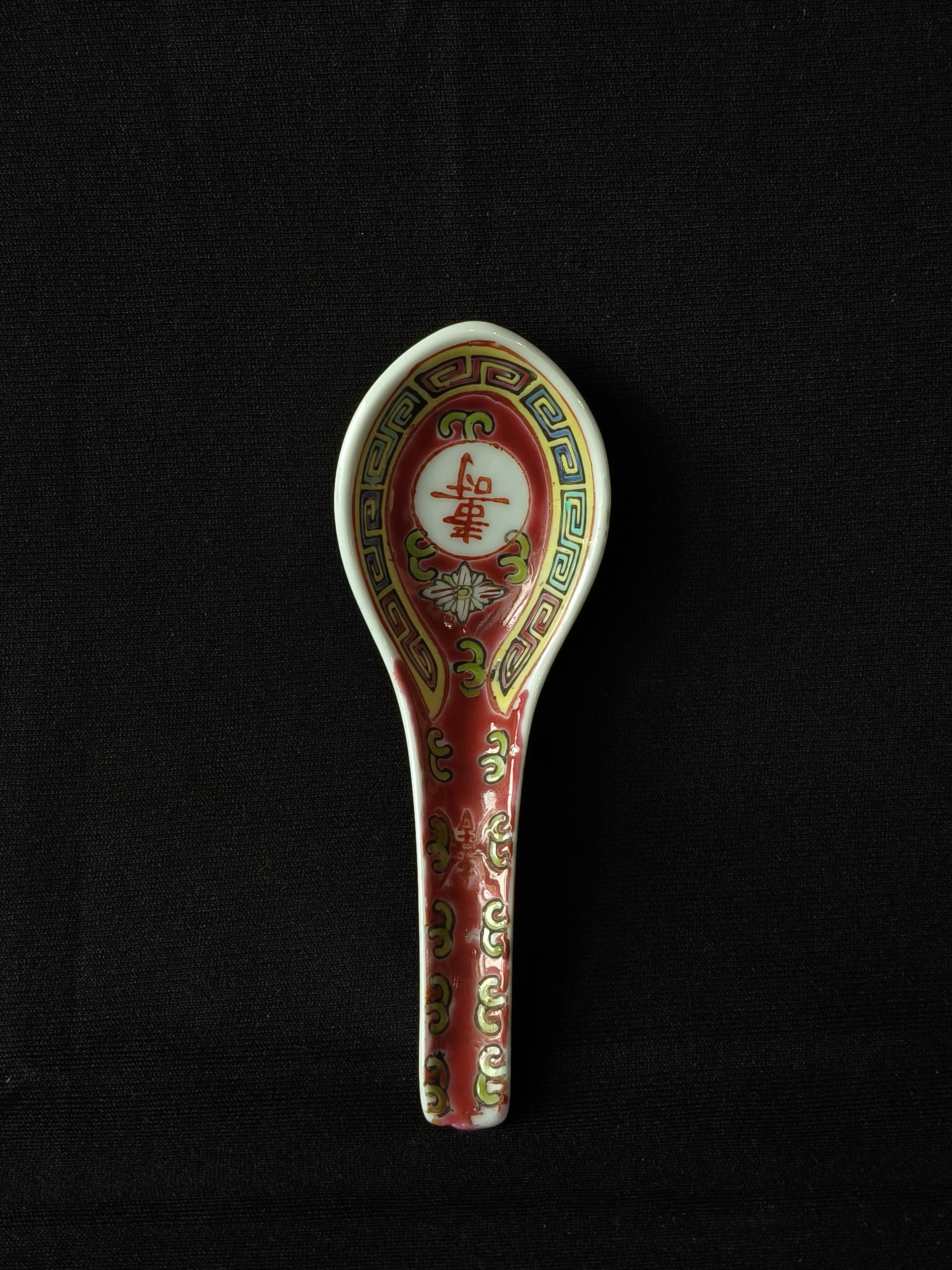
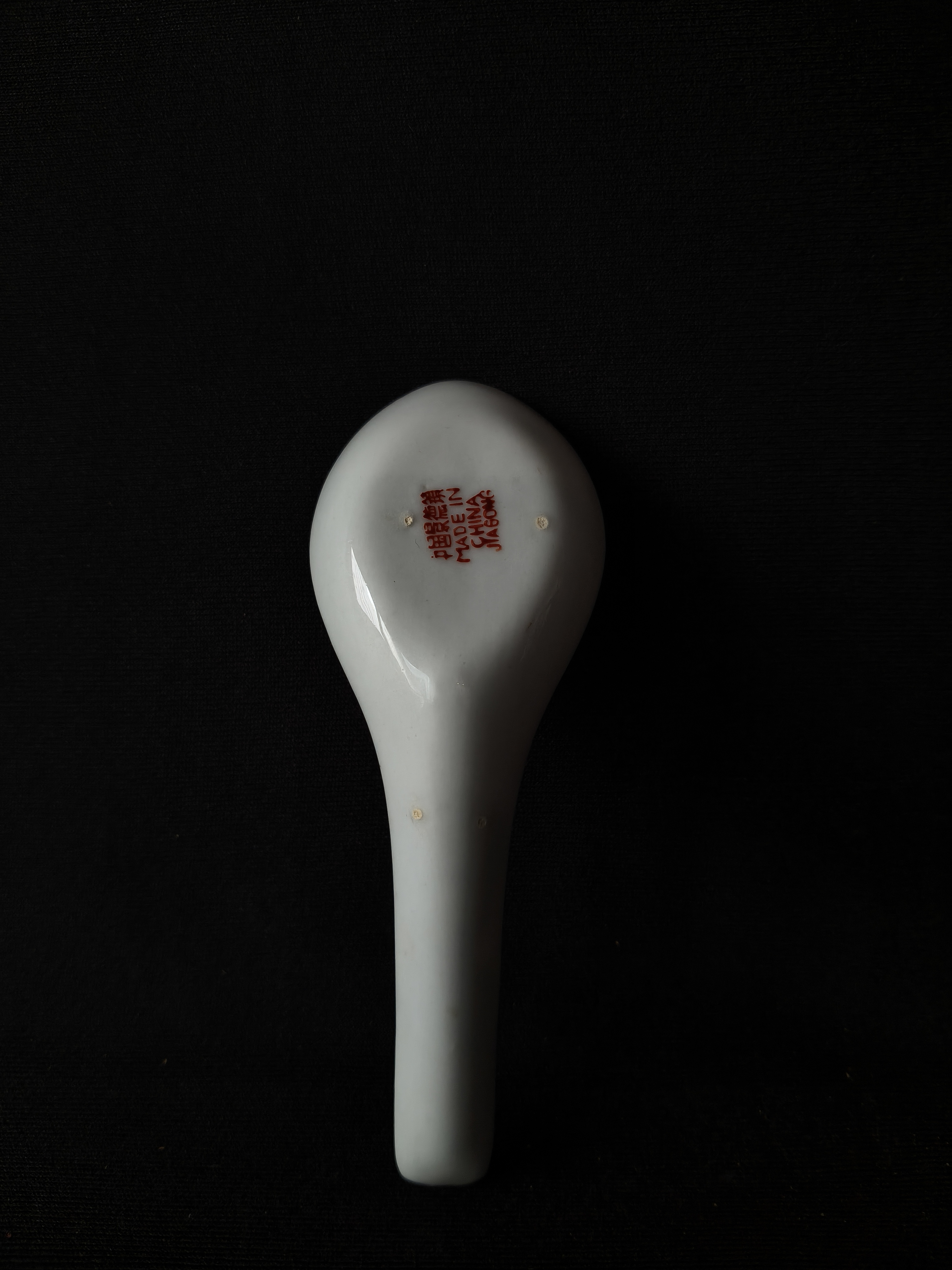
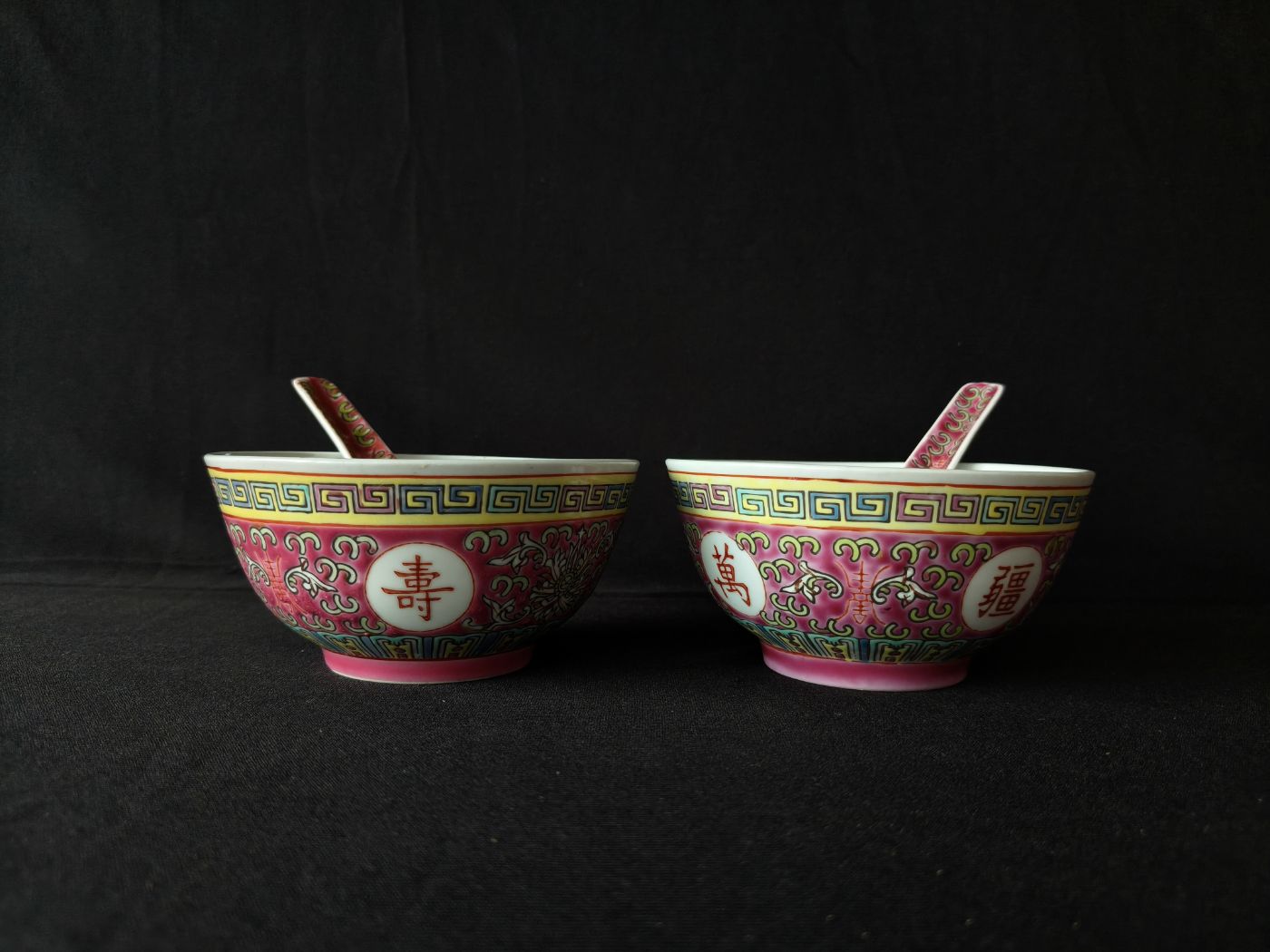
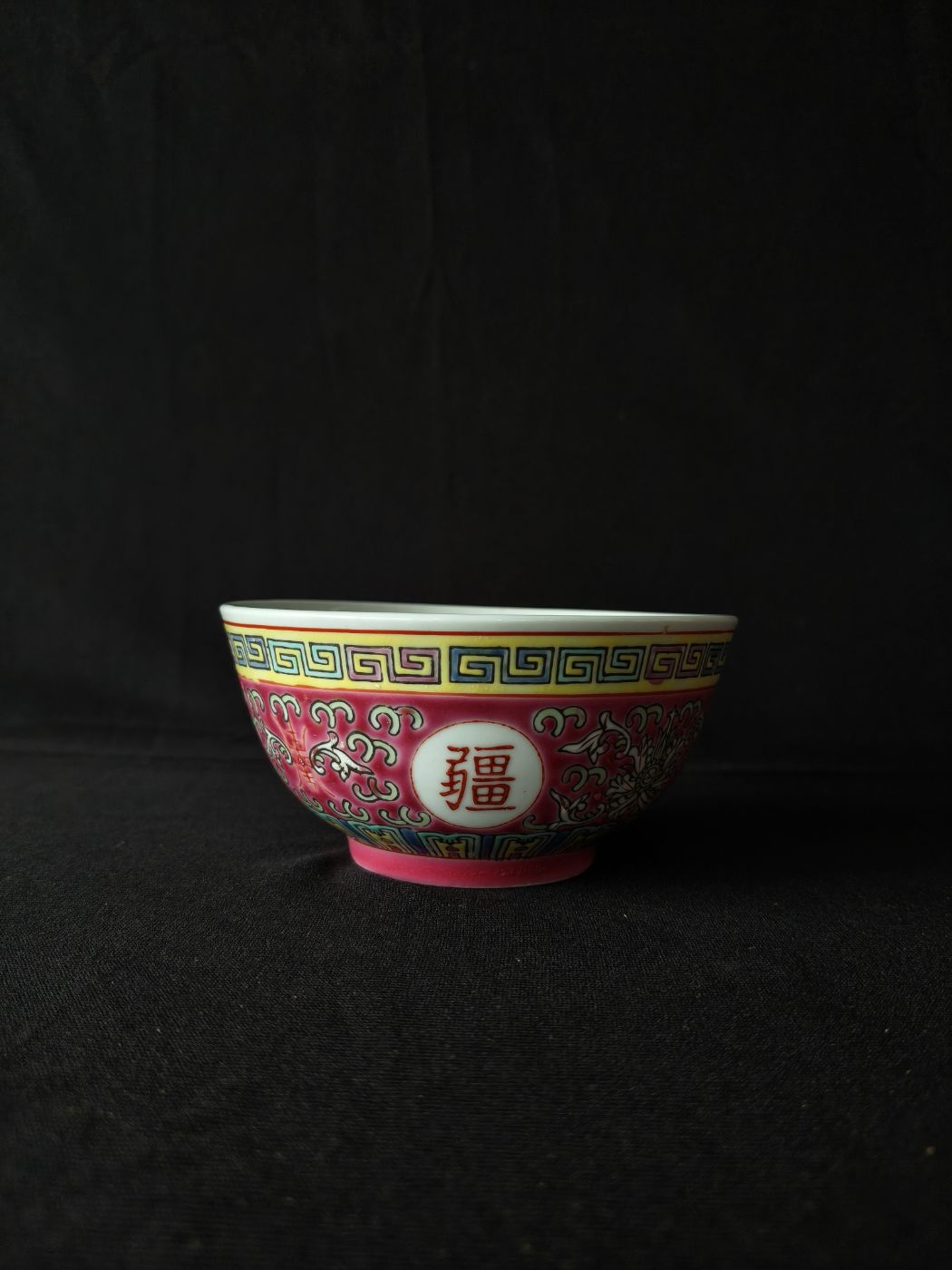
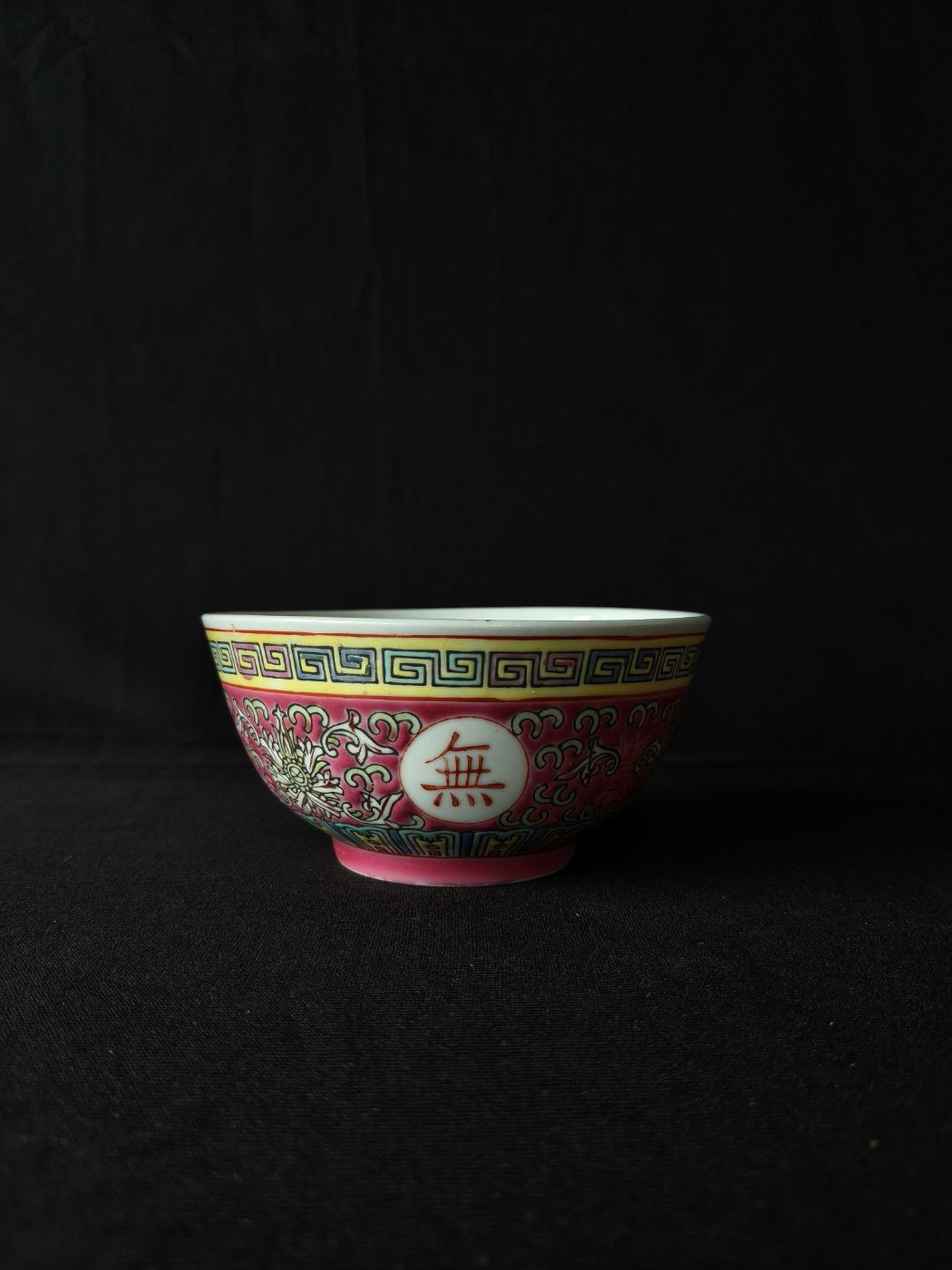
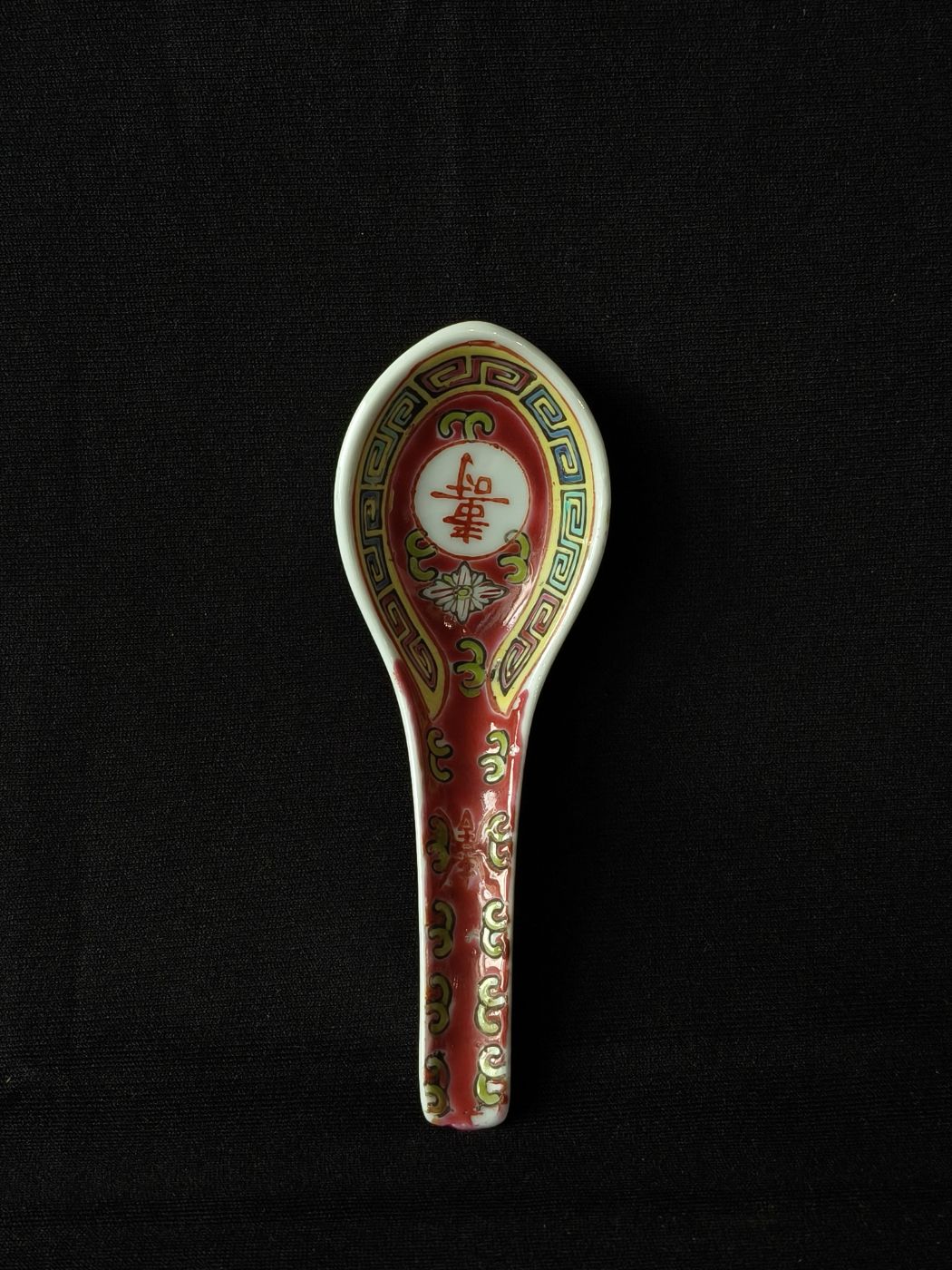
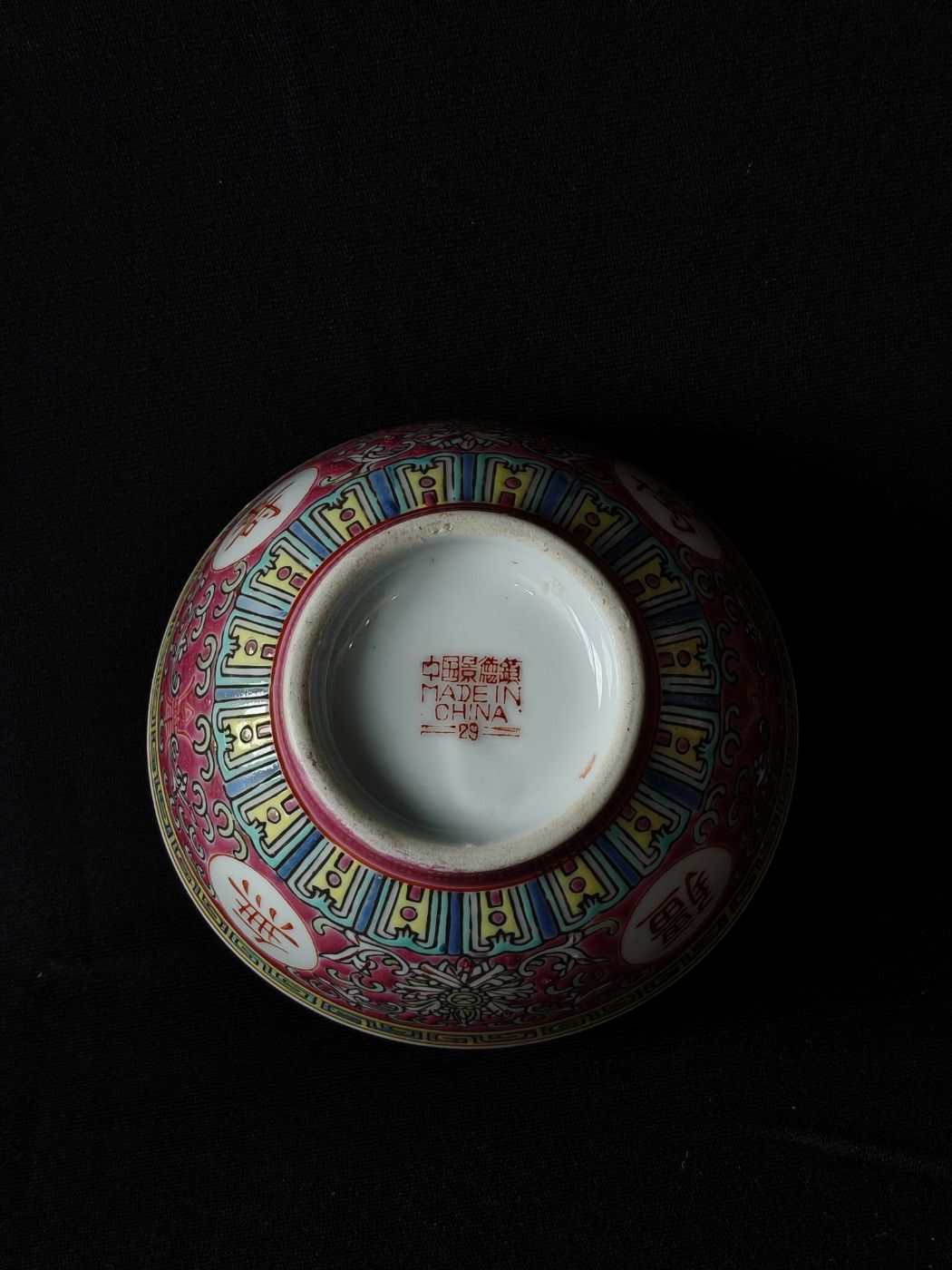
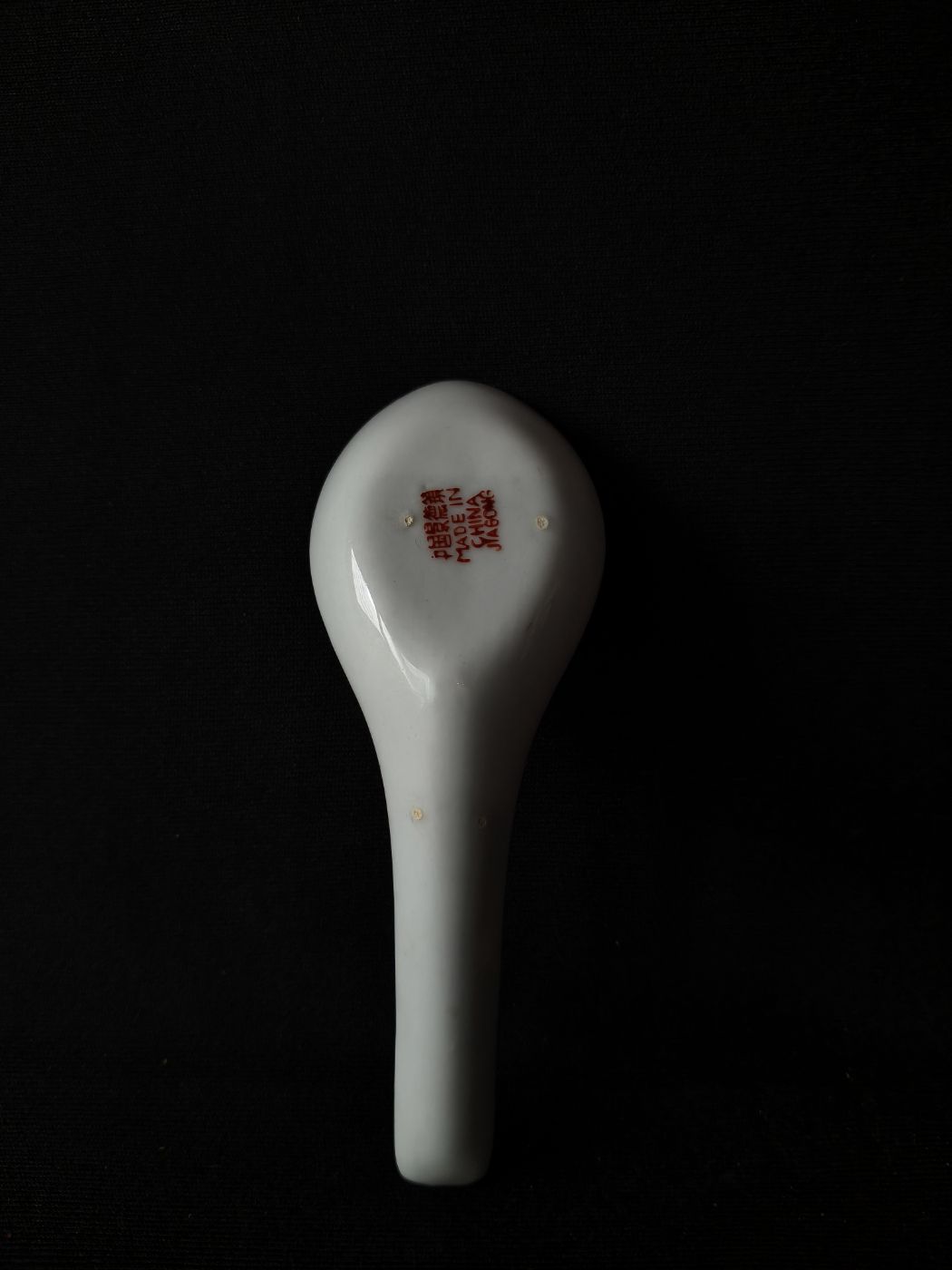
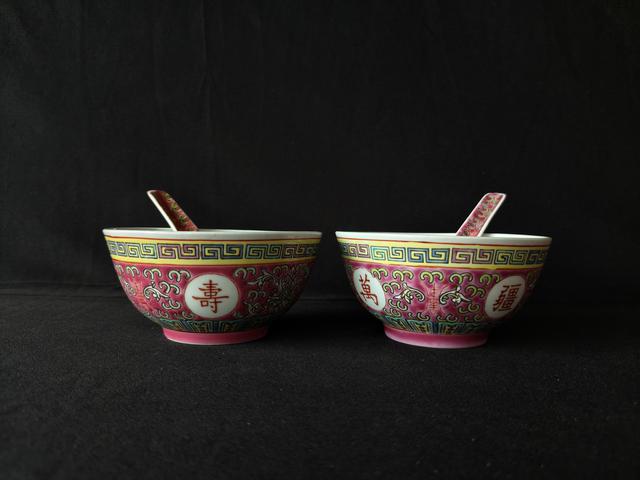
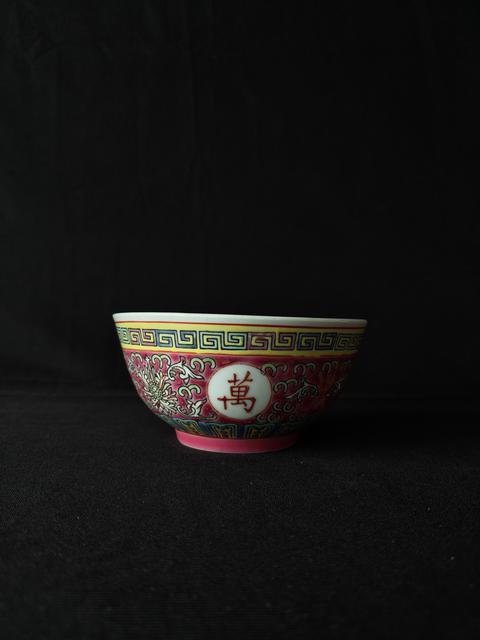
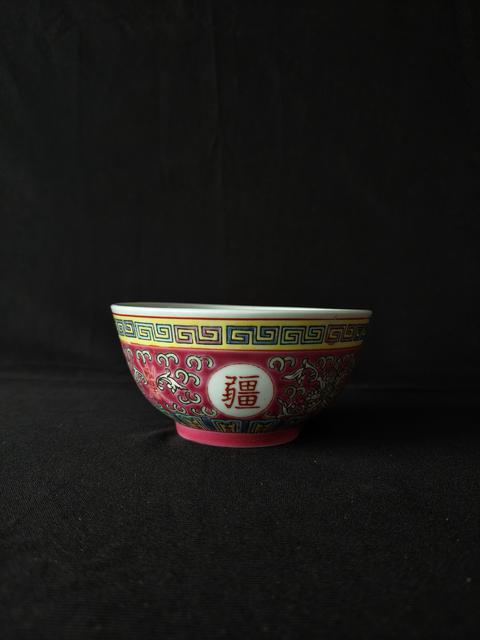
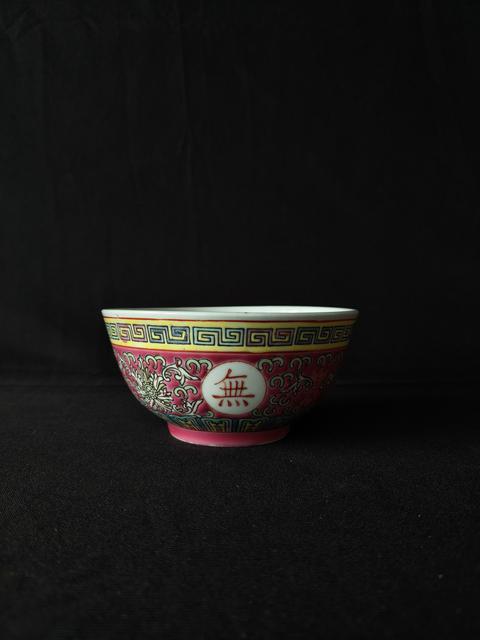
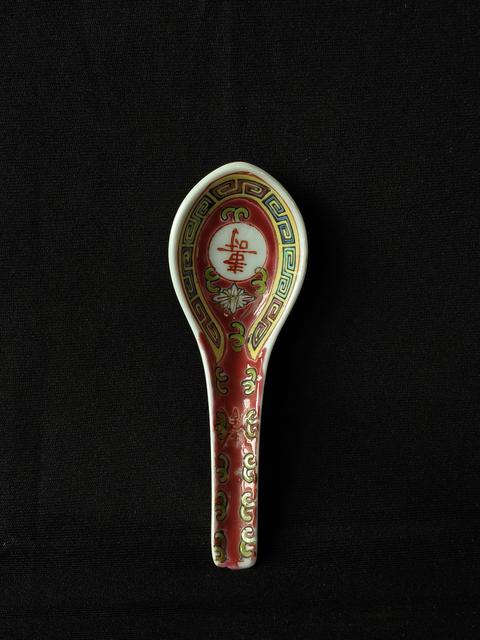
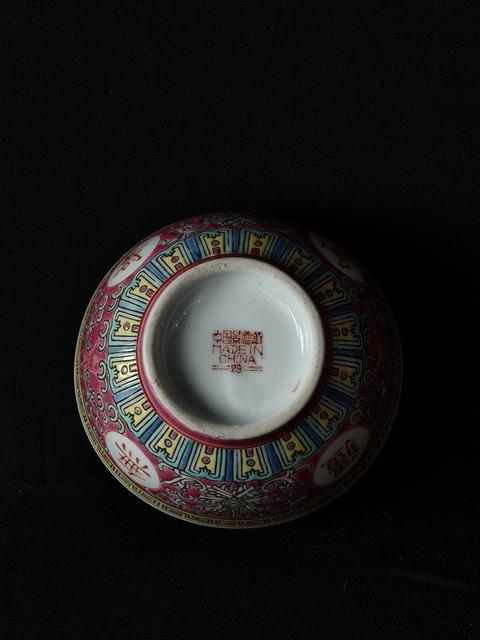
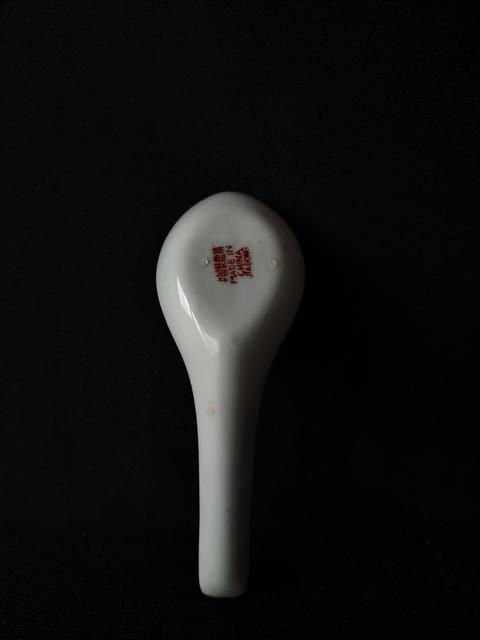
Pair of Chinese Famille Rose Mun Shou (Thousand longevities) bowl and spoon sets
Estimate ₹ 20,000 - ₹ 40,000
3x4.5x4.5 In(Each).
By the turn of the 18th century, a new brilliance began to emerge from the kilns of Jingdezhen. Innovations in firing techniques at the end of the 17th century had unlocked an expanded palette for porcelain enamelling. Soft pinks, luminous whites, and opaque yellows now joined the established greens, blacks, iron reds, and underglaze blues. From this innovation blossomed the celebrated famille rose wares, whose delicate tones and refined surfaces would go on to define Qing porcelain artistry.
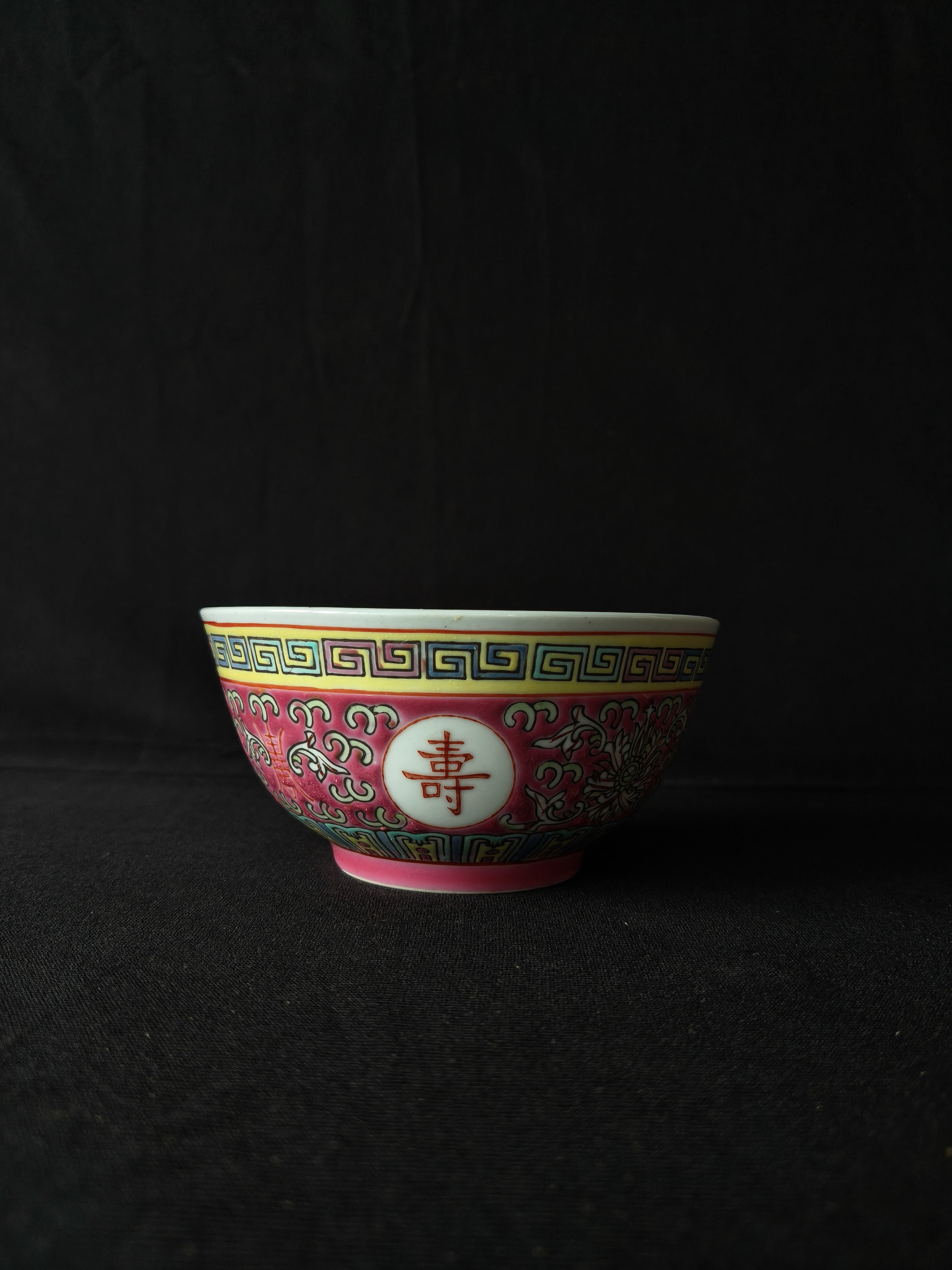
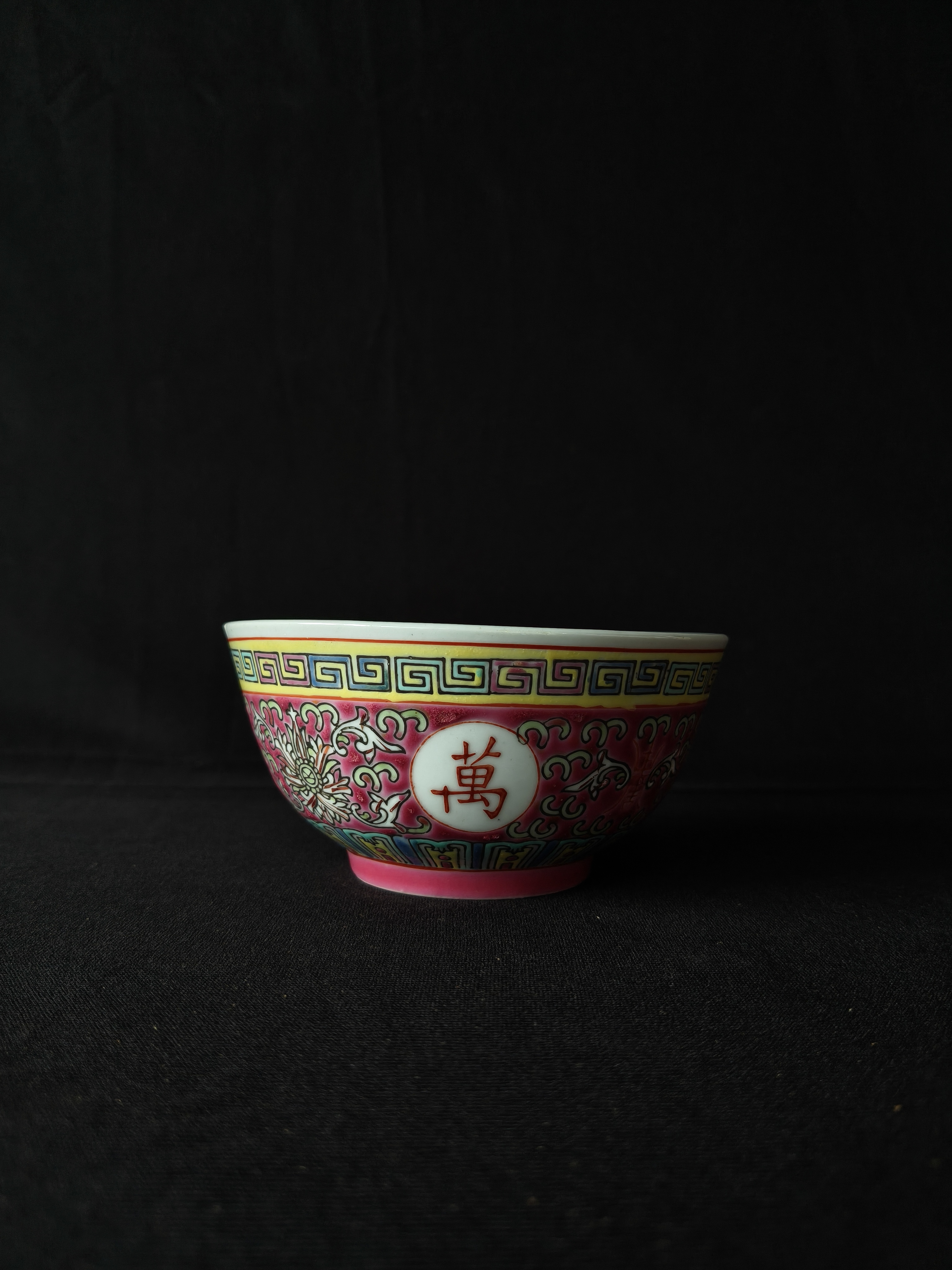
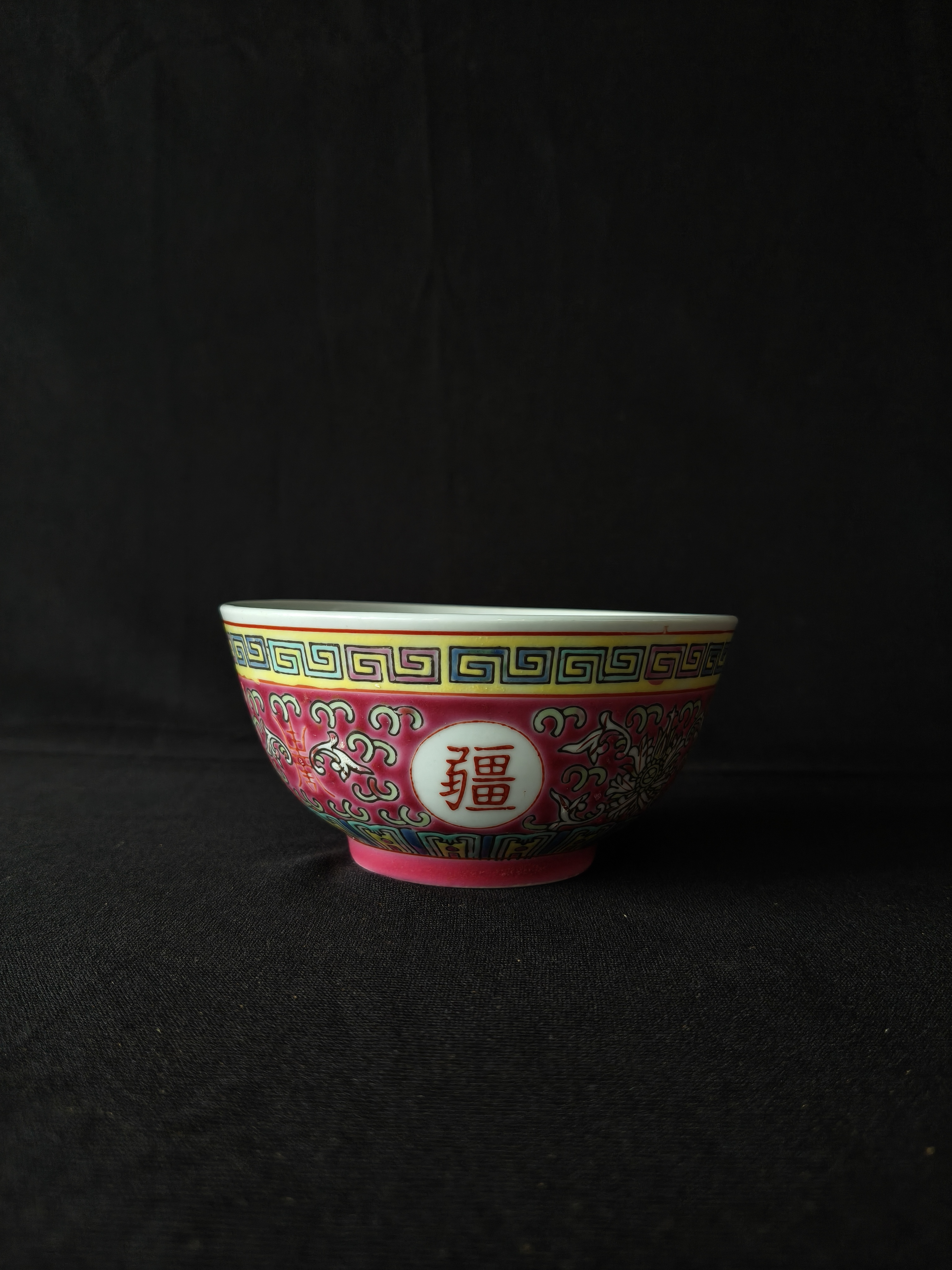
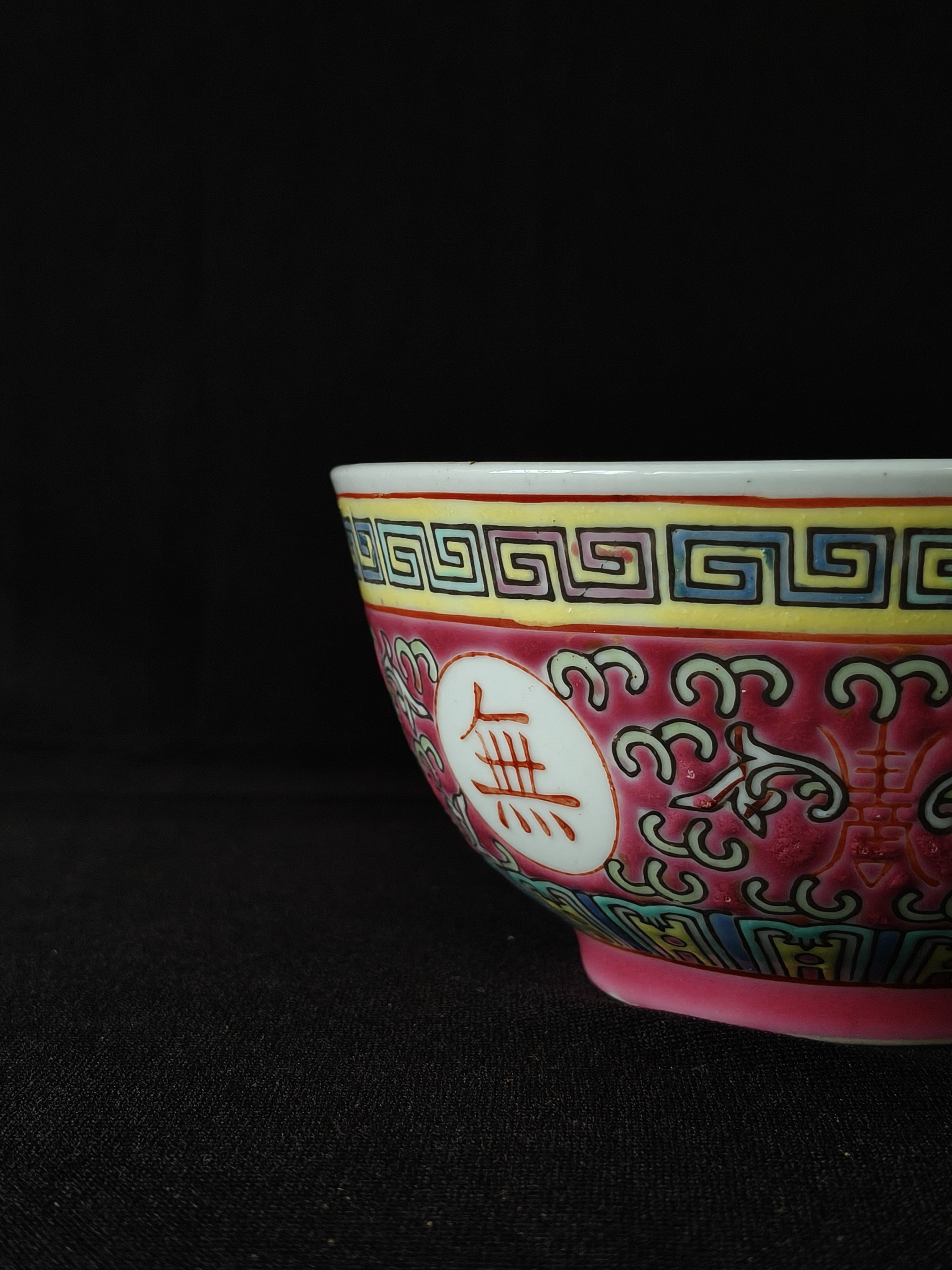
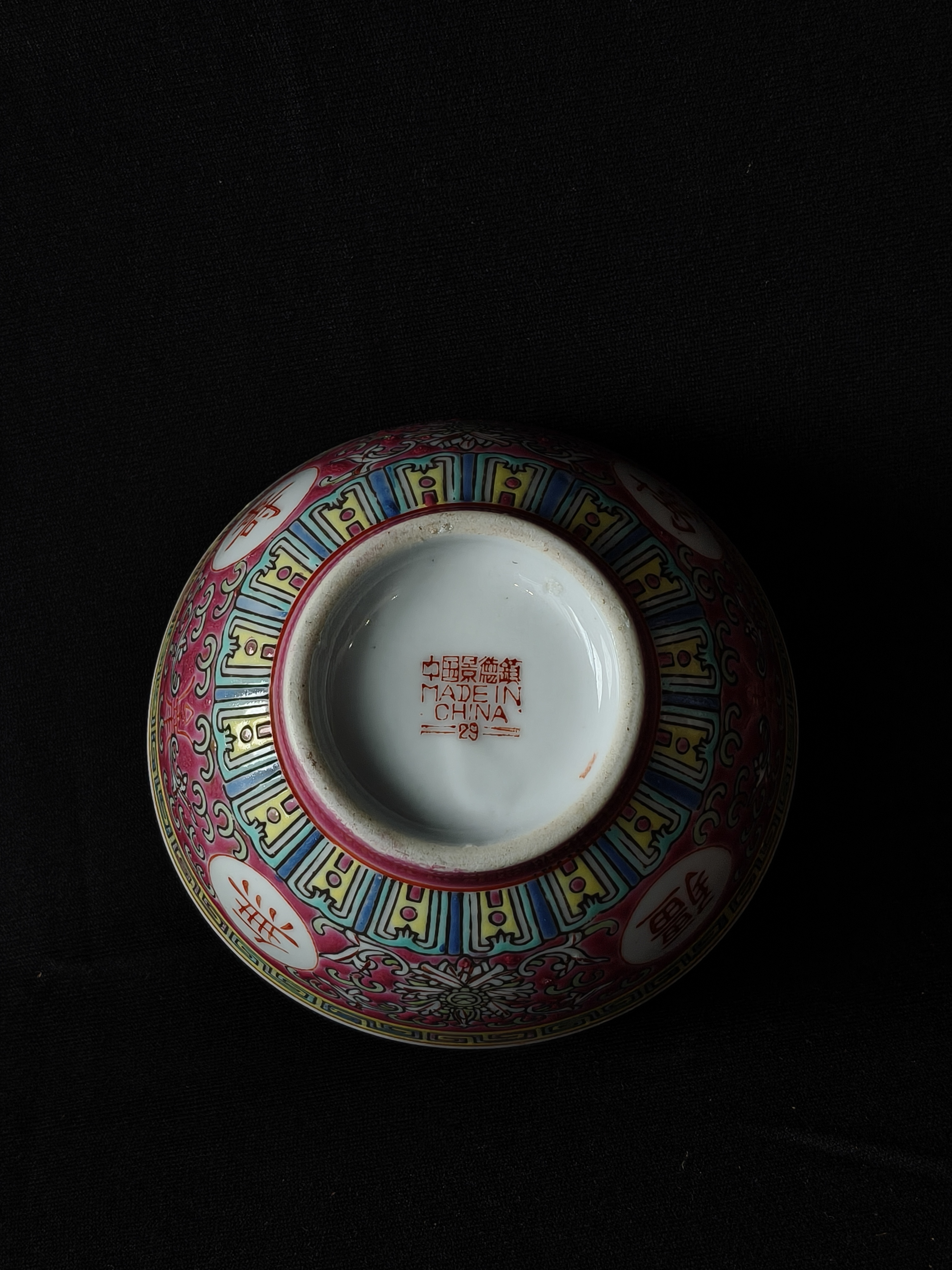
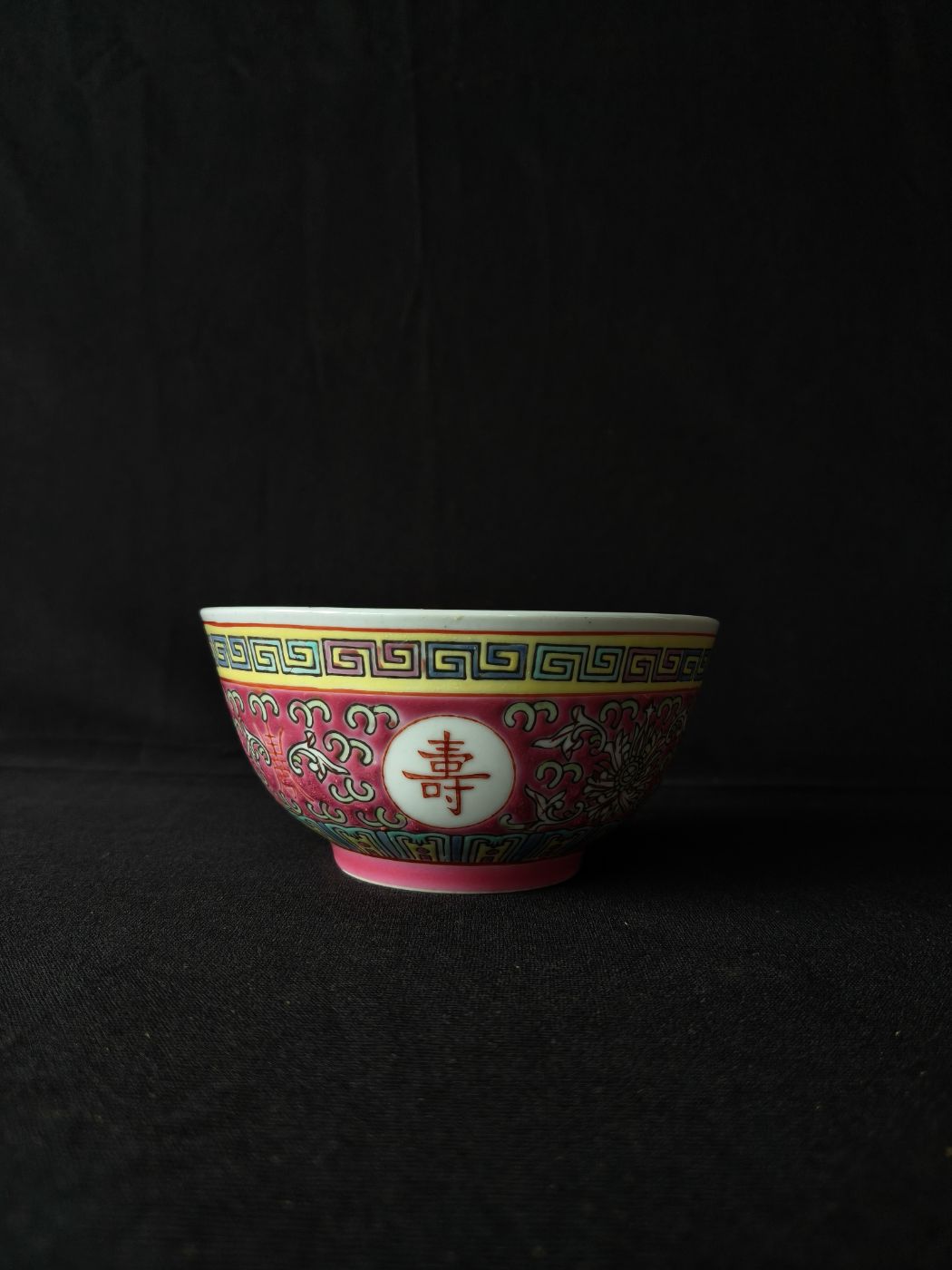
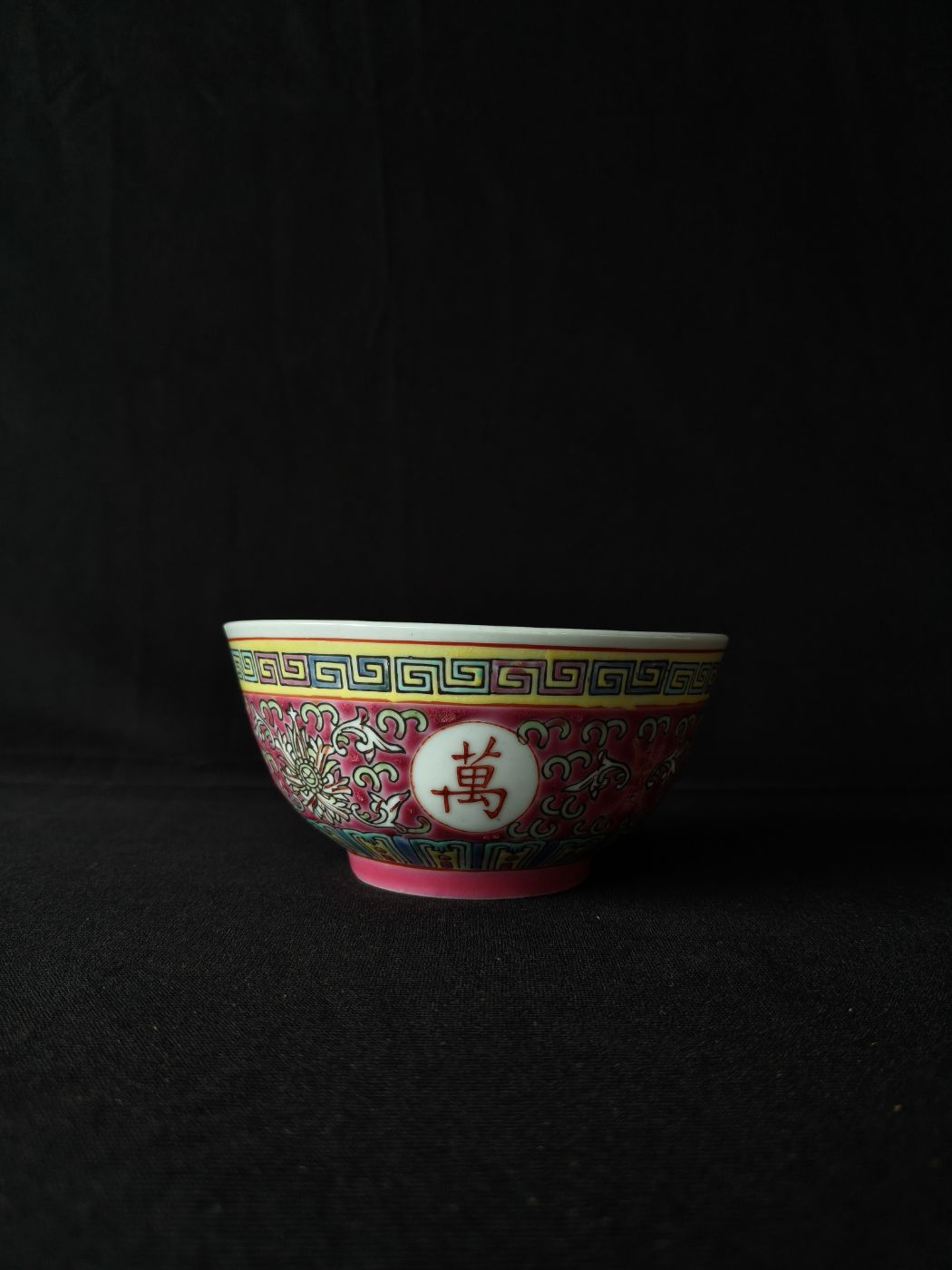
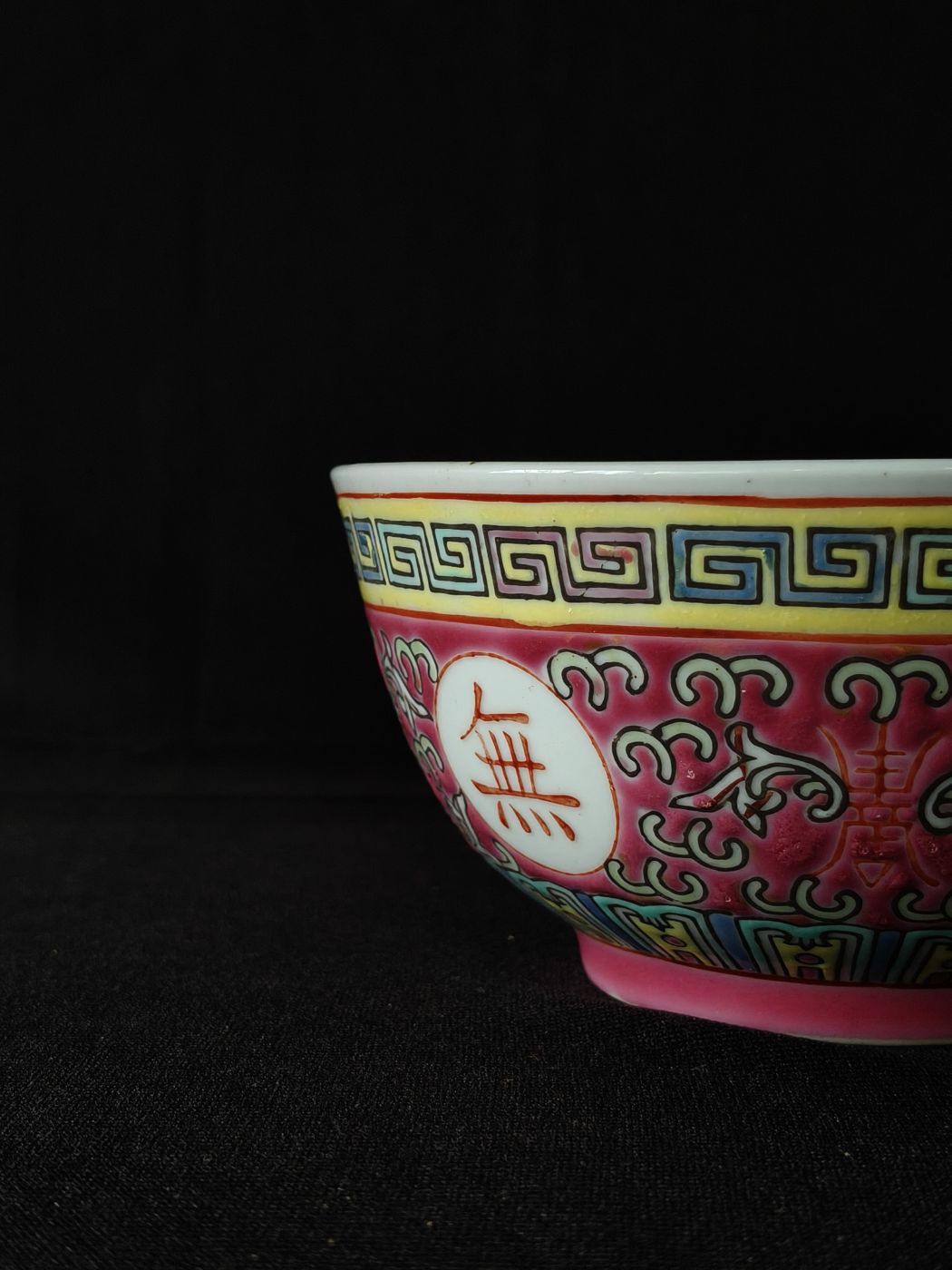
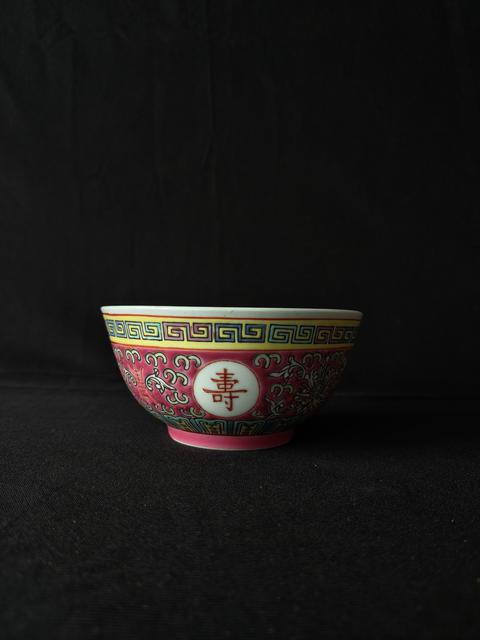
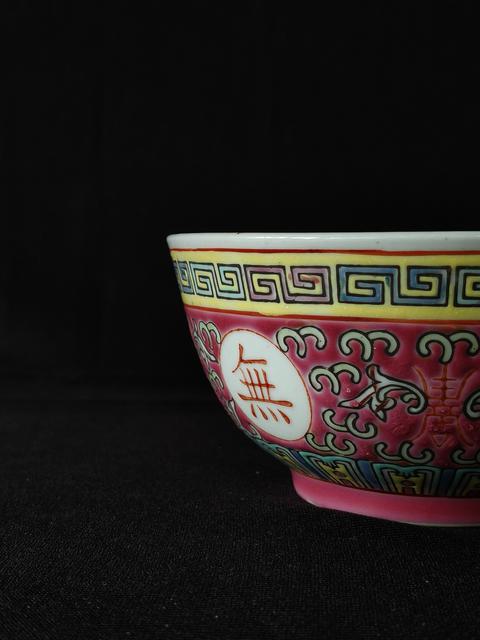
Against a rich pink enamel ground, the surfaces of these famille rose bowl and spoon sets bloom with lotus scrolls and peony blossoms, symbols of purity, rebirth, wealth, and honor in Chinese tradition. Around the sides, circular medallions enclose the characters 壽 (shòu, longevity), 無 (wú, without/endless), and 萬 (wàn, ten thousand). Together, these form the auspicious phrase 萬壽無疆 (wàn shòu wú jiāng), meaning “boundless longevity”. Once restricted to the Emperor’s birthday celebrations in the Qing court, the phrase became a widespread blessing at weddings and festivals.
Each piece is framed by a key-fret border at the rim, a symbol of infinity and protection, and lappet panels around the base. This set echoes the continued Jingdezhen mastery of famille rose enamelling, where auspicious symbolism was woven into daily life through elegant porcelain.
Non-exportable
Provenance: The Estate of Mangaldas Nathubhai

